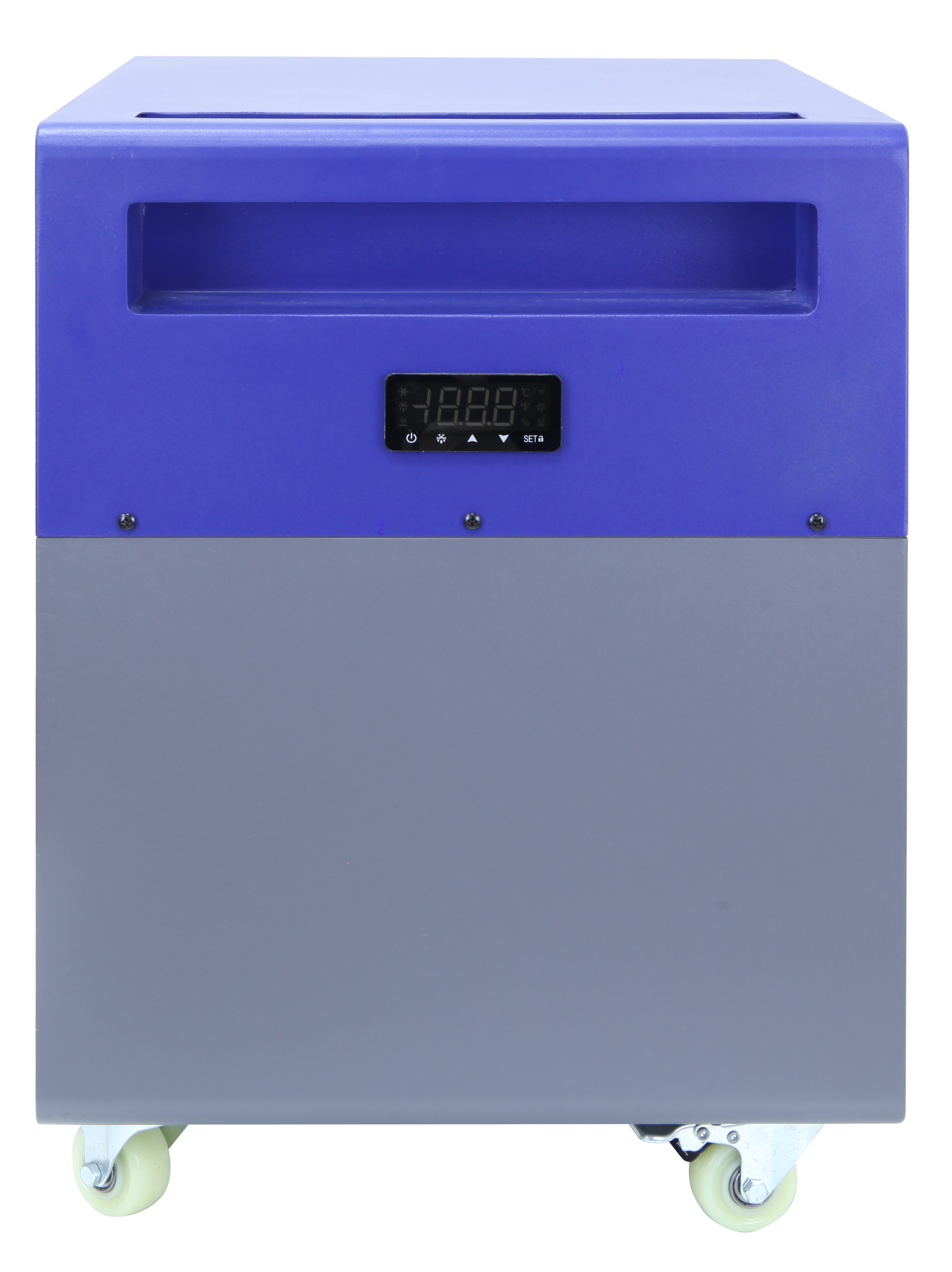
Selecting the right cold plunge for a commercial wellness facility requires careful consideration of multiple operational and financial factors. Whether you operate a spa, resort, fitness center, or recovery clinic, the quality and specifications of your cold plunge directly impact member satisfaction, safety, and return on investment. This buyer guide walks facility managers through the essential selection criteria that separate effective installations from costly mistakes.
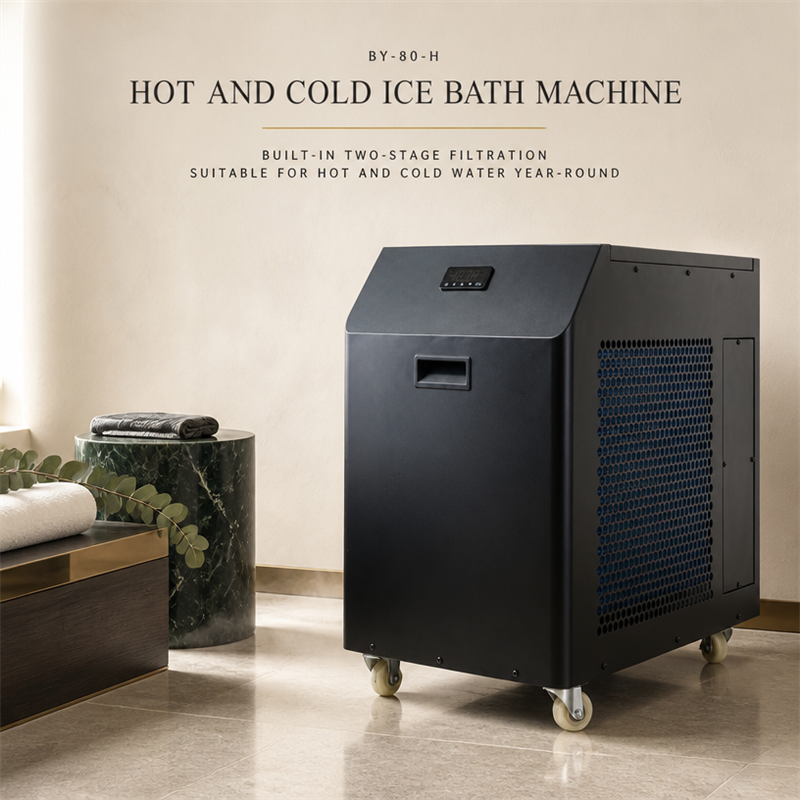
Commercial wellness environments demand cold plunge systems that balance durability, efficiency, and user experience across high-volume traffic. Unlike residential models, commercial installations must maintain consistent water temperature, accommodate multiple sessions daily, and comply with health and safety regulations. Understanding the core requirements and decision framework helps facility operators invest confidently in equipment that aligns with their operational scope and guest expectations.
Understanding Cold Plunge Requirements for Commercial Environments
Capacity and Volume Considerations
The size of your cold plunge directly correlates with daily user capacity and operational efficiency. Commercial wellness facilities should calculate daily sessions multiplied by average users per session, then add a 20 to 30 percent buffer for peak demand periods. A cold plunge with insufficient volume forces staggered bookings, reduces member satisfaction, and limits revenue potential. Conversely, oversized installations waste energy, require larger chiller systems, and increase initial capital expenditure unnecessarily.
Most commercial cold plunge installations range from 800 to 2,000 gallons for single-unit facilities, though multi-tub setups serve larger resorts and recovery centers. Each gallon requires adequate circulation time to maintain hygiene standards, typically requiring complete water turnover every four to six hours. This circulation demand directly influences chiller horsepower and operational costs, making capacity assessment critical during the selection phase.
Temperature Control and Stability
Maintaining precise temperature control separates premium commercial wellness installations from inconsistent, guest-frustrating experiences. A quality cold plunge system should reach target temperatures within two to four hours and maintain stability within plus or minus one degree Fahrenheit during active use. Temperature fluctuations create discomfort, discourage repeat use, and signal poor equipment investment to members who evaluate facility quality holistically.
Digital monitoring systems and redundant chiller configurations protect against unexpected temperature drift. Many commercial buyers prioritize systems with real-time temperature displays, automated alerts, and backup cooling capacity. These features reduce staff intervention time and ensure guest sessions proceed as scheduled, directly supporting facility revenue consistency and member retention.
Key Technical Specifications for Commercial Selection
Chiller Performance and Energy Efficiency
The chiller unit represents the largest operational cost component over a cold plunge system's lifespan. Commercial wellness facilities operate equipment ten to sixteen hours daily, making energy efficiency ratings critical to profitability. High-efficiency chillers with variable-speed compressors consume 30 to 40 percent less power than fixed-capacity models while maintaining superior temperature stability during guest use cycles.
When evaluating cold plunge systems, confirm the horsepower rating aligns with your facility's power infrastructure. Undersized chillers cannot maintain temperature during peak usage, creating guest complaints and operational stress. Oversized systems consume unnecessary electricity during light usage periods. Most commercial facilities benefit from systems rated one to three horsepower higher than minimum requirements, balancing efficiency with performance reliability.
Water Filtration and Sanitization Standards
Health department regulations require commercial cold plunge installations to maintain specific filtration and sanitization protocols. Multi-user environments demand advanced filtration systems rated for 15 to 20 microns, combined with UV or ozone sanitization to reduce pathogen load between users. Budget for regular maintenance, cartridge replacement, and chemical monitoring as ongoing operational expenses beyond the initial cold plunge purchase.
Integrated salt chlorination systems offer commercial buyers reduced chemical handling complexity and lower long-term sanitization costs. These buyer-preferred options automatically maintain chlorine levels, reduce manual intervention, and create safer working conditions for facility staff. Confirm the cold plunge system includes diagnostic sensors that alert staff to filtration degradation or sanitization drift before guest safety is compromised.
Selection Factors for Commercial Wellness Buyer Decision-Making
Space Constraints and Installation Logistics
Physical space availability often drives or constrains the cold plunge selection process in established commercial wellness facilities. Existing floor plans may restrict width and depth dimensions, influencing whether rectangular, square, or custom-configured tubs fit available areas. Underground or semi-recessed installations require drainage infrastructure planning and additional construction costs, factors experienced facility managers evaluate early in the buyer guide assessment phase.
Installation logistics also include HVAC integration for humidity management and electrical capacity verification. Cold plunge systems generate moisture and require supplemental ventilation to prevent structural damage in surrounding spaces. Confirm existing electrical service can support the chiller without upgrades, or budget for electrical work as part of total project cost. These practical logistics details often represent hidden expenses that separate realistic budgets from initial estimates.
Guest Experience and Wellness Integration
Commercial wellness facilities leverage cold plunge experiences as differentiated member amenities, directly influencing retention and premium pricing justification. Superior installation quality signals luxury and professionalism to guests, supporting higher membership fees and positive word-of-mouth referrals. The cold plunge must integrate seamlessly with existing wellness workflows, offering adjacent changing facilities, recovery areas, and clear safety signage.
Acoustics and ambient design elevate the member experience beyond functional cold exposure. Excessive chiller noise, poor lighting, or clinical aesthetics undermine the wellness positioning that justifies premium pricing. Quality commercial cold plunge installations incorporate sound dampening, heating controls, and spa-like finishes that align guest expectations with actual amenities. This buyer focus on experiential quality directly correlates with membership retention and facility competitiveness.
FAQ
What temperature should a commercial cold plunge maintain for member safety and effectiveness?
Commercial cold plunge installations typically operate between 50 and 60 degrees Fahrenheit for member exposure sessions lasting three to ten minutes. Temperatures below 50 degrees increase cold-shock response risks and limit session duration, while temperatures above 60 degrees reduce physiological adaptation benefits. Staff training and clear member guidelines ensure safe usage patterns aligned with facility liability and wellness outcomes. Always verify temperature protocols align with health department requirements and member medical screening results before operation.
How often should commercial cold plunge systems require maintenance and filtration cartridge replacement?
Most commercial cold plunge systems require monthly professional servicing and filtration cartridge replacement every six to twelve months, depending on daily usage volume and water quality. High-traffic facilities may need quarterly interventions to maintain sanitization standards and chiller efficiency. Develop preventive maintenance contracts with qualified technicians to minimize unexpected downtime and ensure regulatory compliance. Budget 10 to 15 percent of initial equipment cost annually for maintenance, repairs, and supplies as part of ongoing operational expenses.
Can existing commercial pools be converted into cold plunge installations?
Converting existing pools into dedicated cold plunge systems is possible but often more expensive than installing new equipment due to additional chiller capacity requirements and retrofit complications. Pool-to-cold plunge conversion requires upgrading circulation systems, installing specialized chillers, and modifying deck infrastructure for guest safety. Most commercial wellness buyers find new, purpose-designed cold plunge installations more cost-effective over ten-year lifecycles. Consult equipment specialists to compare conversion costs against new system pricing for your specific facility dimensions and member capacity requirements.
 EN