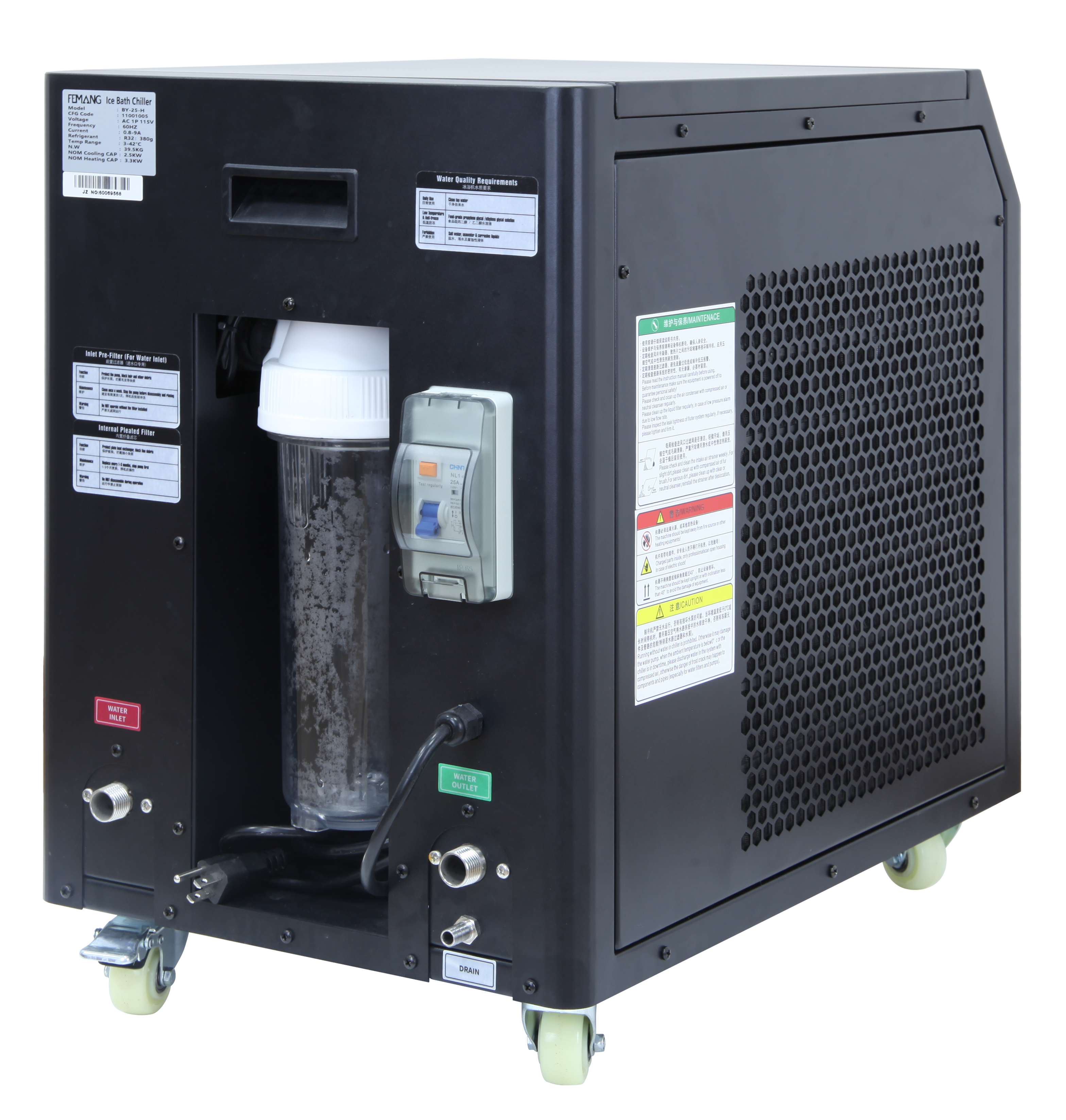
Selecting the right cold plunge chiller for commercial use requires careful evaluation of your facility's specific needs, budget constraints, and operational goals. Whether you operate a luxury resort, wellness spa, athletic training center, or recovery facility, the performance and reliability of your cooling system directly impact guest satisfaction and business profitability. This buyer guide walks you through the essential selection criteria that separate adequate equipment from solutions that truly deliver consistent results.
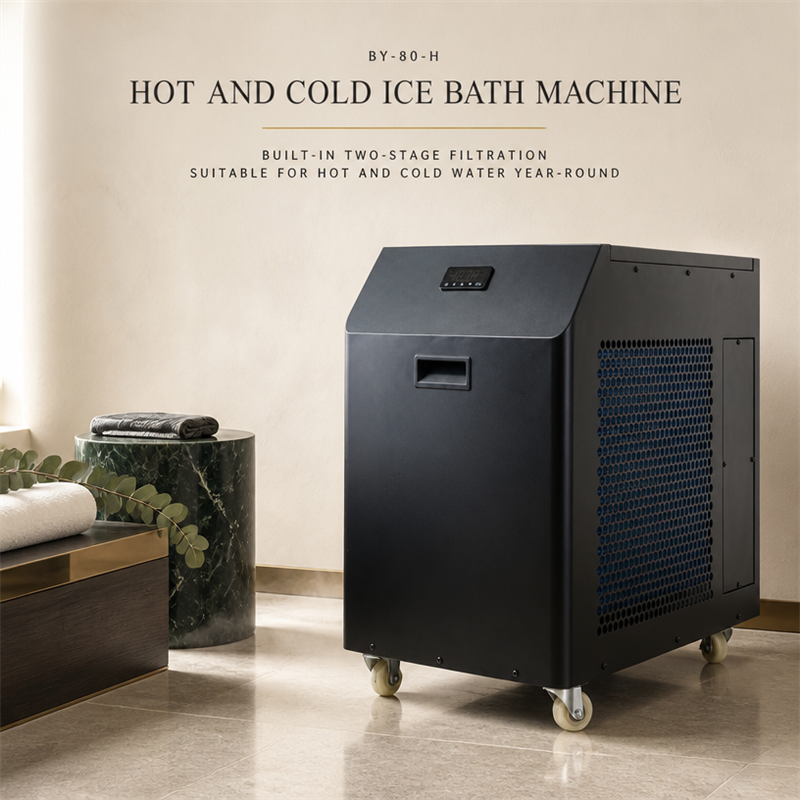
The commercial cold plunge chiller market offers numerous options, each with distinct advantages and trade-offs. Making an informed selection ensures your investment aligns with operational efficiency, longevity, and the quality experience your clients expect. Understanding the core factors that differentiate equipment models helps you avoid costly mistakes and choose a system that scales with your business growth.
Capacity and Sizing for Your Commercial Use
Calculating Your Facility's Cooling Demand
The foundation of any successful commercial use deployment starts with accurately sizing your cold plunge chiller to match your facility's demand. Begin by determining the total volume of all plunge pools or tubs you plan to operate simultaneously. A typical commercial plunge tub holds between 500 and 1500 gallons, and your chiller must maintain target temperatures even during peak usage periods. Calculate how many tubs run concurrently and estimate guest usage frequency throughout operating hours.
Temperature maintenance capacity depends on ambient conditions, insulation quality, and bather load. A cold plunge chiller rated for 3 horsepower handles different workloads than a 5-horsepower model, and commercial use scenarios with multiple tubs or frequent user rotation demand higher capacity. Consider seasonal variations too—summer months with higher ambient temperatures require stronger cooling performance than winter operation. Undersizing results in temperature fluctuations that disappoint guests and damage equipment; oversizing wastes energy and capital.
Selecting the Right Horsepower Rating
Horsepower ratings on commercial cold plunge chiller units indicate cooling capacity and operating efficiency. For single-tub commercial use, a 3-horsepower chiller typically maintains 39–55-gallon-per-minute flow while cooling to therapeutic temperatures. Multi-tub facilities or those serving high-volume guest traffic benefit from 5-horsepower or larger systems that deliver robust redundancy and faster recovery between sessions. Your selection must account for not just average usage but peak-hour demands when multiple clients use facilities simultaneously.
Energy consumption scales with horsepower, so right-sizing prevents unnecessary operating costs. A facility operating one or two plunge tubs shouldn't purchase an oversized commercial use chiller built for a luxury resort with six tubs. Work backward from your usage model: identify peak simultaneous users, estimate session duration, and select equipment that maintains temperature targets without running continuously. This balance between capacity and efficiency directly impacts monthly utility expenses and equipment lifespan.
Material Quality and Durability Standards
Evaluating Construction Materials and Corrosion Resistance
Commercial use applications demand equipment built to withstand corrosive chlorinated water, salt systems, mineral buildup, and constant operational stress. The heat exchanger—the core component where cold plunge chiller systems cool water—must resist internal corrosion and scaling. Titanium exchangers offer superior longevity in harsh environments but command premium pricing. Copper-nickel alternatives provide strong performance at moderate cost, while stainless steel models balance durability with reasonable investment for most commercial use scenarios.
The exterior cabinet and internal piping equally matter for long-term reliability. Powder-coated steel withstands humid spa environments better than painted finishes, while stainless steel components eliminate rust entirely. Your cold plunge chiller selection must account for your facility's humidity levels, water treatment chemistry, and maintenance protocols. Commercial use in coastal areas or facilities using mineral-heavy water sources benefit most from premium corrosion-resistant materials that justify higher upfront costs through extended service life.
Warranty Coverage and Component Longevity
Manufacturer warranties reveal confidence in equipment quality and your protection against defects. Leading cold plunge chiller suppliers offer 2–5 year warranties covering compressors, heat exchangers, and major components. Commercial use contracts often include extended warranty options worth evaluating, particularly for systems operating 12–16 hours daily. Verify whether warranty coverage includes labor, refrigerant replacement, and emergency service calls—critical considerations for businesses where equipment downtime directly reduces revenue.
Component-level durability affects total cost of ownership far more than purchase price alone. A commercial use chiller that requires compressor replacement after three years proves more expensive than a higher-quality system that operates reliably for ten years. Examine manufacturer reputation, customer reviews from facilities similar to yours, and ask directly about average component lifespan under normal operating conditions. This diligence transforms your selection from a simple purchase into a strategic capital investment.
Control Systems, Monitoring, and Operational Features
Digital Controls and Temperature Precision
Modern commercial cold plunge chiller systems feature digital controllers that maintain precise water temperatures within 1–2 degrees Fahrenheit. This precision matters for guest comfort, injury prevention, and therapeutic efficacy. Your buyer guide assessment should compare control interface usability, as staff must adjust settings easily and monitor performance during shifts. Units with remote monitoring capabilities allow managers to track temperature, energy consumption, and system alerts from smartphones or computers—essential for multi-location commercial use operations.
Advanced controls include programmable setpoints for different times or seasons, automatic pump shutdown features, and low-water protection that prevents damage. Some commercial use systems integrate with facility management software, enabling centralized oversight across multiple plunge stations. Evaluate whether the user interface matches your team's technical comfort level and whether software updates remain supported. Outdated control systems eventually lose manufacturer support, complicating future repairs and limiting functionality upgrades.
Maintenance Requirements and Accessibility
Commercial use equipment demands straightforward maintenance to minimize downtime and operational burden. Your cold plunge chiller selection should prioritize models with easy-access filter housings, drain ports, and serviceable components. Units requiring specialized tools or manufacturer technicians for routine maintenance become expensive headaches in busy facilities. Check whether filtration, pump maintenance, and heat exchanger cleaning can be performed by your existing staff or require contracted service calls.
Filter life expectancy directly impacts operating budgets—commercial use systems with high-flow demands need frequent filter replacement unless equipped with advanced filtration or bypass protection. Some cold plunge chiller models feature self-cleaning mechanisms or larger filter surfaces that extend service intervals. Request maintenance schedules from manufacturers and factor annual service costs into your total cost calculation. Facilities operating multiple units benefit from standardized equipment that uses interchangeable components and familiar servicing procedures.
FAQ
What size cold plunge chiller do I need for a small wellness facility?
For commercial use in a small facility with one or two plunge tubs, a 3-horsepower cold plunge chiller typically suffices, maintaining therapeutic temperatures for 500–1000 gallon capacity. Calculate your specific gallonage, peak simultaneous usage, and ambient conditions, then confirm the model's cooling capacity specifications match your requirements. Undersizing results in inadequate temperature control; oversizing wastes energy. Consult the manufacturer's sizing chart or speak with sales engineers familiar with facilities similar to yours.
How often does a commercial cold plunge chiller require maintenance?
Most commercial use cold plunge chiller systems need monthly inspections, filter changes every 3–6 months depending on water quality and usage, and professional servicing annually. Heavy-use facilities may require more frequent maintenance, while light-use installations might extend intervals slightly. Your buyer guide research should identify models with extended filter life and low-maintenance designs. Regular maintenance preserves warranty coverage, prevents emergency breakdowns, and extends equipment lifespan significantly.
Can I use a residential chiller for commercial use applications?
Residential cold plunge chiller units lack the durability, capacity, and control sophistication required for commercial use. They're designed for occasional use rather than continuous daily operation under heavy load. Commercial use demands equipment rated for sustained performance, corrosion-resistant materials, advanced diagnostics, and robust compressors. Attempting to use residential equipment for commercial use applications voids warranties, risks equipment failure during business hours, and ultimately costs more in repairs and lost revenue than investing in properly-sized commercial equipment from the start.
 EN