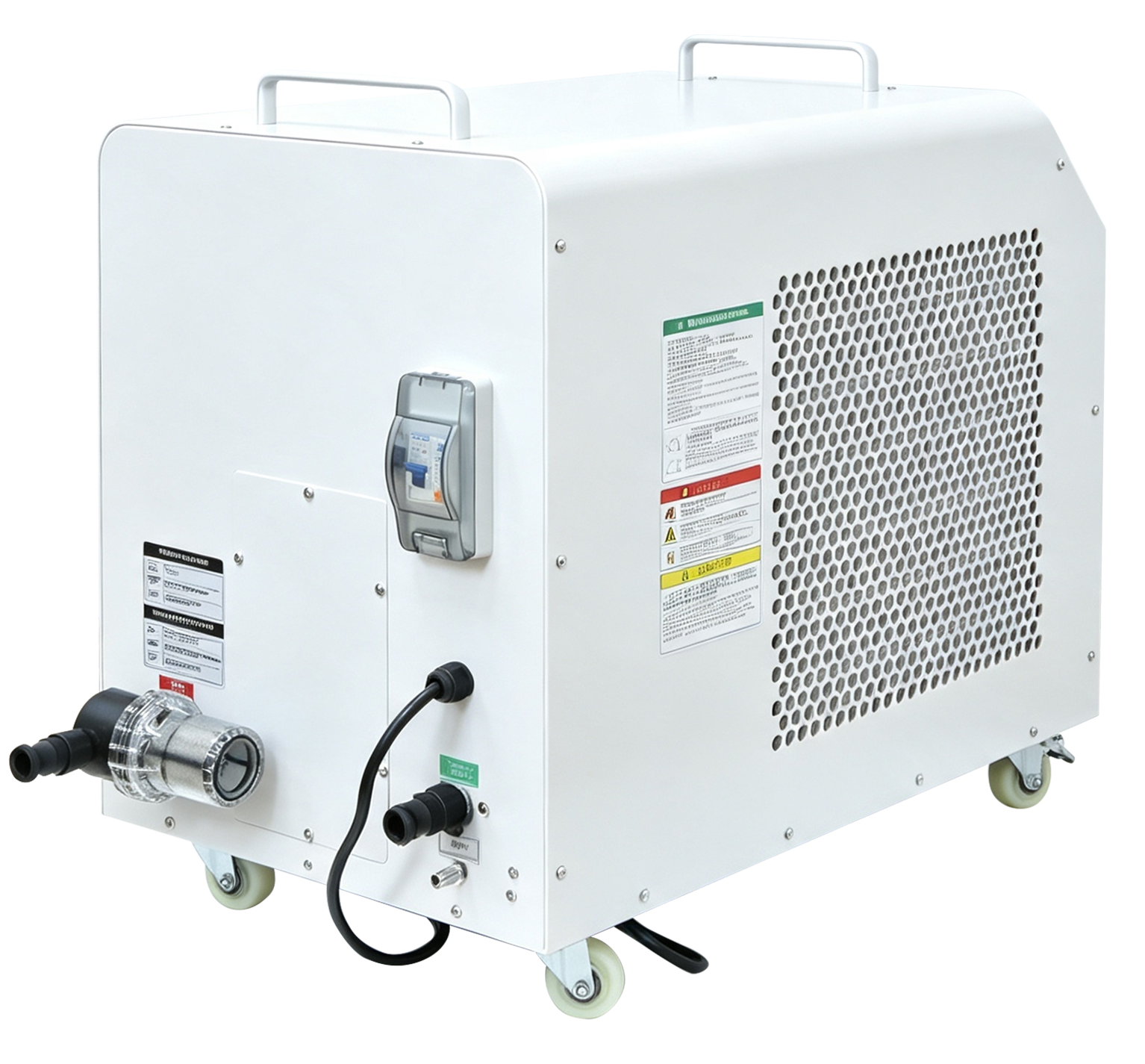
Calculating the total cost of an ice bath chiller project requires a strategic approach that extends far beyond the equipment purchase price. Whether you're planning a residential wellness installation or a commercial recovery facility, understanding all cost components ensures accurate budgeting and prevents unexpected expenses. An ice bath chiller represents a significant investment, and proper cost analysis directly impacts project success and return on investment.
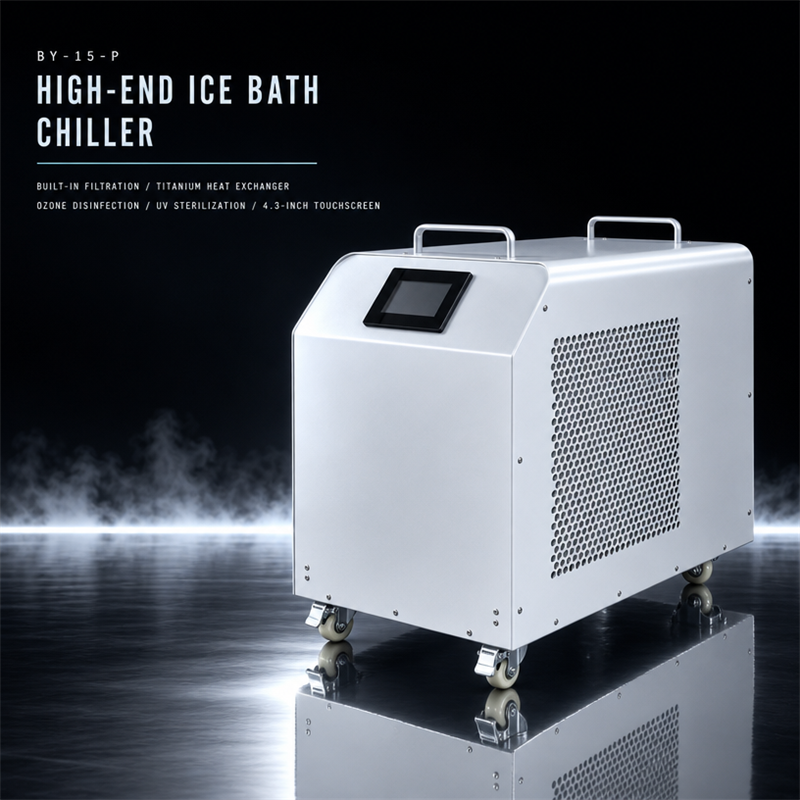
Effective project planning begins with identifying every financial element associated with your ice bath chiller installation. The total cost encompasses equipment acquisition, site preparation, installation labor, operational infrastructure, maintenance supplies, and ongoing energy consumption. Breaking down these categories systematically prevents budget overruns and enables informed decision-making throughout the project lifecycle.
Equipment and Installation Costs
Core Equipment and Chiller Unit Pricing
The ice bath chiller unit itself represents the largest single expense in most projects. Equipment pricing varies based on capacity, cooling performance, sterilization features, and build quality. Residential models typically range from mid-tier to premium pricing, while commercial systems command higher investment due to expanded capacity and durability requirements. When evaluating an ice bath chiller, request detailed specifications including cooling power, water circulation capacity, and temperature control precision. Premium units often incorporate advanced features like ozone and UV sterilization, integrated filtration systems, and digital monitoring capabilities that justify higher initial costs.
Installation and Labor Expenses
Professional installation labor represents a substantial portion of total cost for most ice bath chiller projects. Installation complexity depends on site conditions, plumbing requirements, electrical infrastructure, and drainage considerations. Licensed technicians must assess your location, verify utility capacity, and configure the system for optimal performance and safety. Labor costs typically include site preparation, equipment setup, system integration, safety testing, and operator training. Budget planning should account for potential complications such as reinforced flooring installation, extended plumbing runs, or specialized electrical work. Obtaining multiple installation quotes provides valuable market insight and prevents cost surprises.
Infrastructure and Site Preparation
Facility Modifications and Building Requirements
Most ice bath chiller installations require facility modifications that directly impact total cost. Your project budget must include flooring reinforcement if the installation area cannot support equipment weight and water load. Plumbing infrastructure may require upgrades including new drain lines, water supply connections, and circulation piping. Electrical systems often need expansion to accommodate the chiller's power requirements and any integrated sterilization or filtration systems. Ventilation and humidity control modifications ensure proper equipment operation and prevent moisture-related damage. Site assessment by qualified professionals identifies these requirements early, enabling accurate budget planning before installation begins.
Utility Infrastructure and Connectivity
Proper utility infrastructure ensures reliable ice bath chiller operation and system longevity. Your project budget must account for electrical upgrades if existing capacity proves insufficient. Water quality preparation systems, including filtration and pH adjustment equipment, represent separate budget line items essential for system performance. Drainage infrastructure must handle regular maintenance water discharge and prevent environmental issues. Data connectivity requirements for remote monitoring and control features may necessitate network infrastructure upgrades. Addressing these infrastructure needs during project planning prevents costly retrofits and ensures seamless system integration.
Operational and Long-Term Cost Factors
Energy Consumption and Operating Expenses
Energy consumption represents the most significant ongoing cost component for ice bath chiller operations. Monthly electricity expenses depend on chiller efficiency ratings, usage frequency, ambient temperature conditions, and local utility rates. High-efficiency models may cost more initially but deliver substantial long-term savings through reduced energy consumption. When calculating total cost over the project lifecycle, project energy expenses across multiple years and factor in anticipated utility rate increases. Seasonal variations affect operating costs, with higher expenses during warmer months when chillers work harder to maintain target temperatures. Advanced monitoring systems help track efficiency metrics and identify optimization opportunities that reduce operational expenses.
Maintenance, Repairs, and Consumables
Comprehensive total cost analysis must include maintenance and replacement expenses throughout the system lifecycle. Water treatment chemicals, filter replacements, and sterilization supplies represent regular consumable costs. Preventive maintenance agreements with service providers ensure reliable performance and often prove more economical than reactive repair approaches. Component replacement budgets should account for pump servicing, seal replacements, and system recalibration needs. Warranty coverage details impact maintenance cost allocation between ownership periods. Extended maintenance contracts may offer cost predictability and peace-of-mind advantages compared to pay-as-you-go service models. Understanding manufacturer support availability and spare parts accessibility influences long-term ownership expenses.
Budget Allocation and Financial Planning
Comprehensive Cost Breakdown Framework
Developing a detailed cost breakdown framework transforms project planning from rough estimation into actionable financial strategy. Organize total cost calculations across clear categories: equipment acquisition, installation labor, infrastructure modifications, utility upgrades, and contingency reserves. Assign percentage allocations to each category based on project scope and site-specific requirements. For residential ice bath chiller projects, typical allocations might include forty to fifty percent for equipment, twenty to thirty percent for installation and labor, fifteen to twenty percent for infrastructure, and ten to fifteen percent for contingencies. Commercial installations often show different proportions based on scale and complexity factors.
Project Timeline and Cost Sequencing
Strategic project timing influences both total cost and cash flow management throughout implementation. Early-phase expenses concentrate on site assessment, design engineering, and permitting requirements. Equipment procurement typically occurs mid-project after designs finalize, while installation and labor expenses cluster in the final implementation phase. Phased budgeting approaches match expenditure timing with project milestones, improving financial control and reducing unnecessary carrying costs. Seasonal timing considerations affect both labor availability and equipment delivery schedules, potentially influencing overall project expenses. Coordinating multiple contractors and suppliers requires careful timeline management to minimize overhead and acceleration costs.
FAQ
What should I include in my ice bath chiller project budget?
Your project budget must encompass the chiller equipment itself, professional installation labor, facility modifications such as flooring and plumbing upgrades, electrical infrastructure enhancements, initial water treatment setup, operator training, contingency reserves for unexpected costs, and projected operational expenses. A comprehensive approach prevents cost surprises and enables accurate financial planning. Include site assessment fees, design engineering costs, and any necessary permitting expenses in your total cost calculations. Professional budget reviews by installation specialists ensure all relevant factors receive consideration.
How much does total cost increase for an ice bath chiller with advanced features?
Premium ice bath chiller models with integrated ozone sterilization, UV treatment, advanced filtration, and digital monitoring systems typically add fifteen to thirty-five percent to equipment costs compared to basic units. However, these features often deliver substantial value through reduced chemical consumption, lower maintenance requirements, improved water quality, and enhanced operational control. When calculating total cost, factor in long-term savings from reduced consumables and maintenance expenses, which frequently offset the higher initial equipment investment. The cost-benefit analysis depends on your specific usage patterns and operational priorities.
What contingency reserve should I allocate for an ice bath chiller project?
Industry best practices recommend allocating ten to twenty percent of total calculated costs as a contingency reserve for unforeseen project expenses. Contingencies typically cover unexpected site conditions, infrastructure complications, supply chain delays, labor rate fluctuations, and scope modifications. Residential projects may require lower contingency percentages if site conditions prove straightforward, while commercial installations often benefit from higher reserves due to greater complexity. Detailed site assessments help refine contingency estimates based on project-specific risk factors and known variables.
 EN