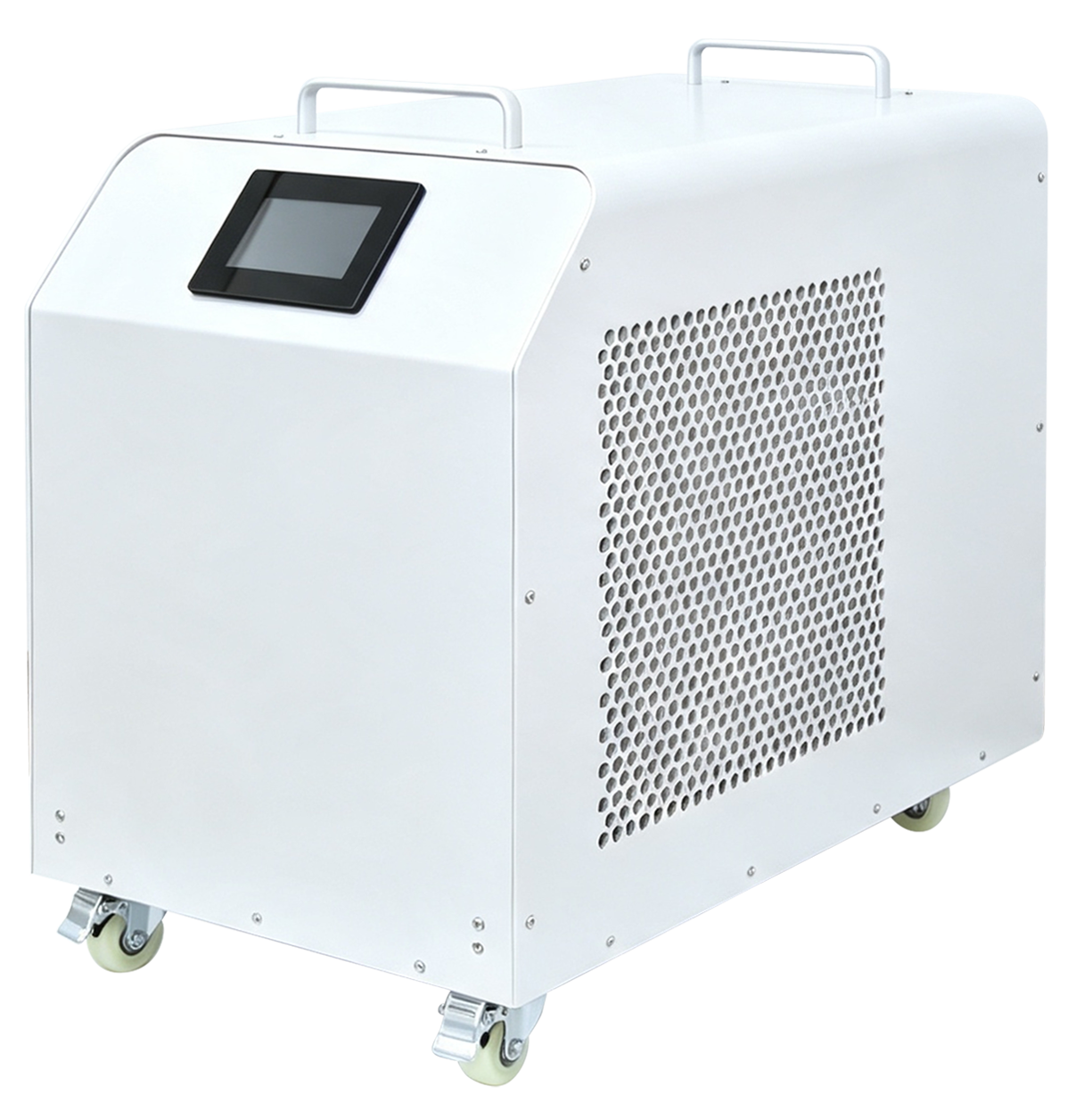
Purchasing an ice bath requires careful planning and strategic evaluation to ensure you select equipment that meets your facility's specific needs, budget constraints, and performance requirements. Whether you're sourcing for a commercial spa, sports recovery center, wellness clinic, or luxury home installation, developing a structured ice bath procurement checklist is essential to streamline your decision-making process and avoid costly mistakes.

An effective procurement checklist serves as your roadmap for evaluating vendors, comparing specifications, and negotiating terms. This buyer guide walks you through the complete sourcing process, helping you establish evaluation criteria, assess total cost of ownership, and identify the most qualified suppliers for your ice bath investment.
Understanding Your Operational Requirements
Defining Capacity and Volume Needs
Start your ice bath procurement checklist by clearly defining your operational capacity requirements. Calculate the number of users per day, frequency of use, and peak demand periods. If you're running a sports recovery facility, you may need to accommodate multiple athletes simultaneously, requiring larger tanks and faster cooling cycles. Conversely, a wellness clinic with staggered appointments may operate with smaller capacity systems that still maintain consistent temperature control and quick recovery times between sessions.
Your buyer guide should document the minimum and maximum water volume your facility can accommodate, including physical space constraints, electrical infrastructure, and drainage capabilities. An ice bath with inadequate capacity will create bottlenecks and reduce member satisfaction, while oversized systems waste energy and capital investment. This fundamental requirement shapes all subsequent sourcing and procurement decisions.
Temperature Control Specifications
Include precise temperature range specifications in your procurement checklist. Most therapeutic ice bath applications require stable temperatures between 45°F and 60°F, though some recovery protocols call for temperatures as low as 39°F. Evaluate whether your facility needs preset temperature options, programmable protocols, or continuous manual adjustment capabilities. Advanced sourcing strategies should prioritize systems with digital temperature monitoring, automated shutdown features, and fail-safe mechanisms that prevent water from becoming dangerously cold.
Technical Specifications and System Performance
Cooling Technology and Energy Efficiency
Your procurement checklist must address cooling technology options, including direct-immersion chillers, closed-loop refrigeration systems, and hybrid cooling approaches. Each technology offers different advantages regarding energy consumption, maintenance requirements, and operational complexity. When developing your buyer guide, research systems with high Energy Star ratings or equivalent efficiency certifications, as lower energy consumption directly reduces operating costs over the ice bath's lifetime. Modern sourcing practices increasingly emphasize equipment meeting commercial efficiency standards that lower utility bills and reduce environmental impact.
Compare cooling capacity measured in British thermal units per hour, recovery time after use, and ambient temperature performance. An ice bath designed for indoor climate-controlled environments may underperform in outdoor settings or facilities without consistent air conditioning. Include energy efficiency metrics, monthly estimated electricity costs, and long-term total cost of ownership calculations in your procurement checklist to make informed sourcing decisions.
Filtration, Circulation, and Water Quality Systems
Advanced water treatment represents a critical component of your procurement checklist and buyer guide. Evaluate systems offering multi-stage filtration, UV sterilization, ozone treatment, or antimicrobial circulation technologies that maintain water hygiene without excessive chemical additives. These features directly impact user safety, reduce maintenance labor, extend water replacement intervals, and lower long-term operational costs. When sourcing ice bath equipment, prioritize vendors offering comprehensive water quality documentation, filtration certifications, and transparent maintenance protocols.
Financial, Compliance, and Vendor Evaluation Criteria
Budget Planning and Total Cost of Ownership
Develop detailed budget parameters within your procurement checklist that account for purchase price, installation expenses, operational costs, maintenance, and eventual replacement. Your buyer guide should include templates comparing multiple vendors' total cost of ownership over five to ten years, incorporating energy consumption, filter replacement frequency, warranty coverage, and anticipated repair costs. Many sourcing professionals discover that the lowest purchase price often reflects higher operating expenses, making comprehensive financial analysis essential for long-term budget accuracy.
Include contingency reserves for unexpected maintenance and spare parts in your procurement checklist. Document warranty terms, service agreement options, and emergency repair availability from each vendor being evaluated. This financial discipline prevents budget overruns and ensures sustainable operations throughout the ice bath's lifecycle.
Compliance, Safety, and Warranty Requirements
Your procurement checklist must verify that all candidate equipment meets relevant health and safety regulations, plumbing codes, electrical standards, and industry-specific requirements for your jurisdiction. Request NSF certification documentation, FDA compliance records, and proof of adherence to commercial pool and spa standards. When sourcing equipment, confirm that vendors provide comprehensive warranties covering manufacturing defects, provide clear maintenance documentation, and maintain responsive customer support channels for technical assistance and emergency service needs.
FAQ
What should be the first step in creating an ice bath procurement checklist?
The first step is defining your facility's specific operational requirements, including daily user volume, required temperature ranges, available physical space, and electrical infrastructure. This foundation ensures your buyer guide and sourcing decisions align with actual operational needs rather than generic industry standards, preventing costly mismatches between purchased equipment and facility capabilities.
How does a structured buyer guide improve the sourcing process for ice bath equipment?
A comprehensive buyer guide standardizes vendor evaluation by establishing consistent criteria for technical specifications, financial comparison, compliance verification, and service quality. This systematic procurement checklist approach enables fair vendor comparison, reduces evaluation bias, accelerates decision-making, and creates documented justification for purchase decisions that stakeholders and auditors can review.
What financial metrics should my procurement checklist include beyond the initial purchase price?
Your procurement checklist should compare total cost of ownership including energy consumption estimates, monthly operational costs, maintenance labor, filter and part replacement frequency, warranty coverage periods, and anticipated repair expenses over the equipment's useful life. This comprehensive sourcing approach reveals that equipment appearing cheaper initially may generate substantially higher operating costs, enabling financially optimal purchasing decisions aligned with long-term budget sustainability.
 EN