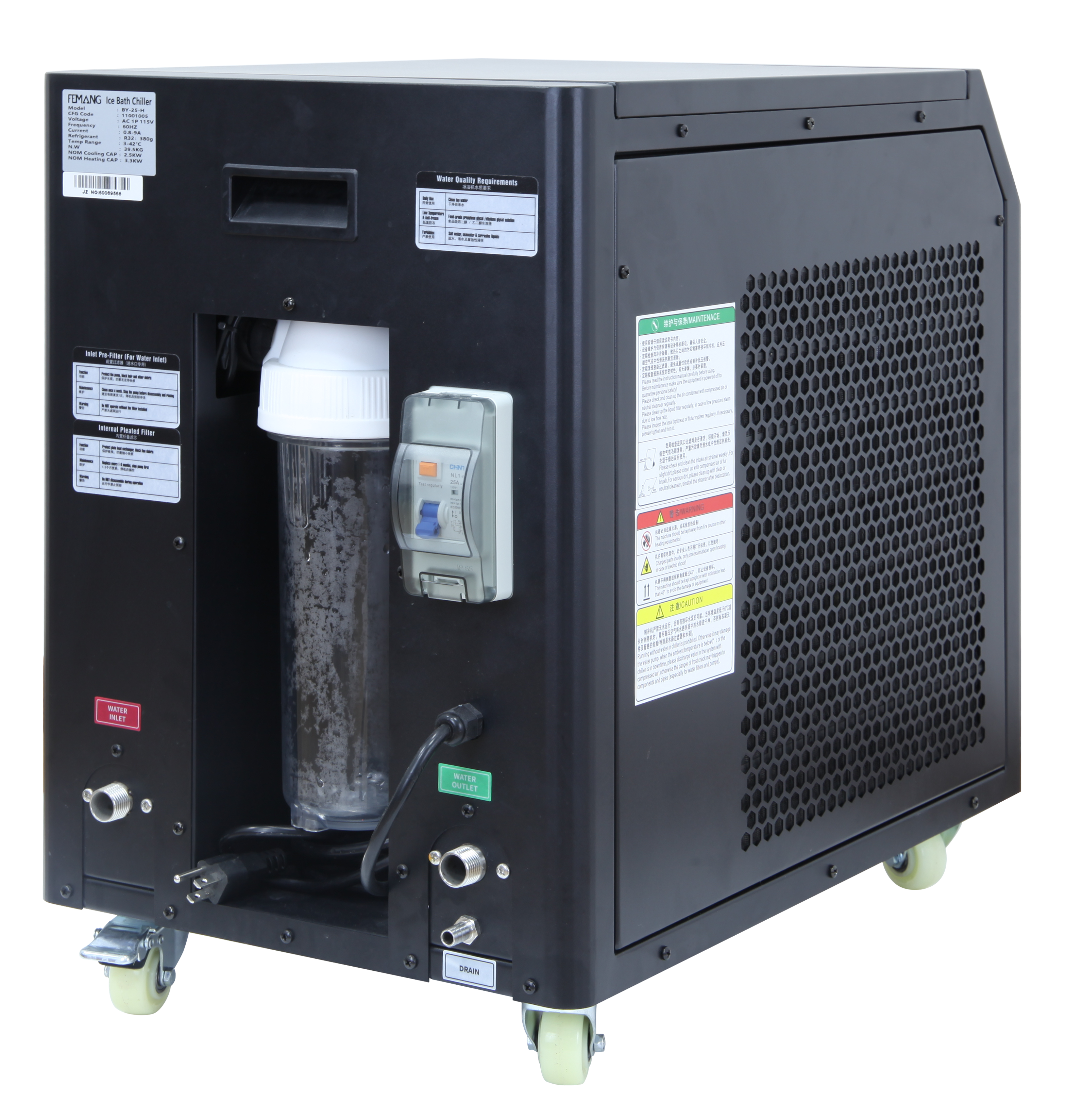
An ice bath chiller is an investment in recovery and wellness that demands consistent attention to preserve its longevity and performance. Building a structured maintenance schedule ensures your system operates reliably, maintains water quality, and delivers the precise temperatures your wellness routine requires. Without a proactive approach to routine care, equipment degradation accelerates, operational efficiency drops, and unexpected breakdowns interrupt your recovery protocol.

Developing an effective maintenance schedule requires understanding the key components of your ice bath chiller system, the frequency of routine care tasks, and the operational parameters that indicate when intervention is needed. A well-documented maintenance plan prevents costly repairs, maximizes equipment lifespan, and ensures consistent water quality and temperature control. This guide walks you through the essential elements of creating a comprehensive maintenance schedule tailored to your ice bath chiller's specifications and your wellness facility's demands.
Core Maintenance Tasks for Ice Bath Chiller Systems
Monthly Routine Care Inspections
Monthly routine care forms the foundation of your ice bath chiller maintenance strategy. Begin by visually inspecting the exterior casing, power connections, and refrigerant lines for signs of corrosion, leaks, or loose fittings. Check the water level indicator and confirm the circulation pump is operating without unusual vibration or noise. Test temperature accuracy by comparing the display reading against an independent thermometer to detect sensor drift early. Clean or replace the intake filter if your system draws ambient air, as dust accumulation restricts airflow and forces the compressor to work harder, reducing operational efficiency and increasing wear.
Water Quality and Filtration Management
Maintaining water quality is critical for prolonging ice bath chiller lifespan and ensuring user safety. Routine care should include testing pH levels weekly and maintaining a range between 7.2 and 7.8 to prevent corrosion and microbial growth. If your system includes filtration cartridges, inspect them monthly and replace them according to the manufacturer's specifications or when pressure differential exceeds recommended thresholds. Drain and refill the reservoir quarterly to remove accumulated sediment and dissolved minerals that degrade heat transfer efficiency and promote bacterial colonization. Document all water quality tests and maintenance actions in a dedicated log to identify patterns and refine your maintenance schedule over time.
Seasonal and Quarterly Operation Protocol
Seasonal System Inspection and Testing
Quarterly maintenance extends beyond routine care and addresses components that require less frequent but more thorough attention. Every three months, perform a complete system diagnostic by checking refrigerant pressure readings against manufacturer specifications using appropriate gauges. Inspect the condenser coils for debris, algae buildup, or mineral deposits that reduce heat dissipation; clean gently with soft brushes or low-pressure water if necessary. Test all safety features, including high-pressure switches and thermal overload protections, to confirm they respond correctly to system stress conditions. Verify that the circulation pump maintains consistent flow rates and that temperature swings remain within acceptable parameters during operation. Document findings and any adjustments to ensure your maintenance schedule remains aligned with actual system performance.
Refrigerant and Mechanical Component Assessment
Refrigerant integrity directly impacts ice bath chiller cooling capacity and operation efficiency. During quarterly maintenance visits, inspect all refrigerant lines for visible leaks, frost buildup indicating evaporator issues, or discoloration suggesting contamination. Monitor refrigerant pressure trends across multiple seasons; consistent pressure drops indicate slow leaks requiring professional service. Examine electrical connections throughout the system for corrosion or looseness that could cause arcing or voltage drop. Check compressor mounting bolts and vibration isolation pads quarterly, as loosened components transmit vibration to the system frame and increase noise levels. These detailed inspections catch emerging problems before they escalate into emergency situations requiring complete system shutdowns or costly replacements.
Annual Deep Maintenance and Performance Optimization
Annual System Overhaul and Component Replacement
Annual maintenance represents your most comprehensive intervention cycle and should align with professional service intervals recommended by your ice bath chiller manufacturer. Schedule professional technicians to perform a complete system overhaul, including compressor efficiency testing, condenser cleaning at the microscopic level, and evaporator coil inspection using specialized cameras if applicable. Replace refrigerant filter-dryers annually to prevent moisture contamination and acid formation that damages internal components. Have technicians measure electrical current draw during operation; significant increases suggest compressor degradation or motor bearing wear requiring attention. Inspect exterior cabinet seals and weatherstripping to ensure no moisture ingress occurs during operation, which could trigger corrosion in internal electrical cabinets. Annual maintenance should also include updating documentation records and adjusting routine care protocols based on observed performance trends throughout the year.
Performance Baseline Documentation and Optimization
Establish clear performance baselines during your first annual maintenance appointment, including refrigerant pressures, water flow rates, temperature response times, and electrical consumption metrics. Compare these baselines to current readings during subsequent annual visits to identify gradual performance degradation requiring corrective action. If your ice bath chiller begins cooling more slowly or requires frequent temperature adjustments, condenser fouling or refrigerant leakage may necessitate professional intervention. Annual appointments provide ideal opportunities to upgrade your system's operation capabilities, such as adding automated water quality monitoring or installing energy-efficient compressor controllers that optimize seasonal performance. Maintaining detailed performance records enables predictive maintenance, allowing you to plan repairs during convenient facility schedules rather than responding to unexpected failures.
FAQ
How often should I perform routine care on my ice bath chiller?
Routine care should occur monthly, including visual inspections, filter checks, and water quality testing. Weekly pH monitoring and pump operation verification ensure your maintenance schedule catches small issues before they become significant problems. Some facilities perform daily operational checks to track temperature consistency and circulation flow, which complements your monthly routine care cycle and provides early warning of emerging issues.
What warning signs indicate my maintenance schedule needs adjustment?
If your ice bath chiller experiences frequent temperature fluctuations, slower cooling cycles, unusual compressor noise, or high energy consumption, your maintenance schedule may require intensification. These symptoms suggest components need servicing more frequently than currently scheduled. Professional assessment during annual maintenance visits helps determine whether adjusted routine care frequencies or component replacements should be incorporated into your updated maintenance protocol.
Can I perform all ice bath chiller maintenance tasks myself?
Basic routine care like filter inspection, water quality testing, and exterior cleaning can be performed by trained facility staff. However, refrigerant handling, pressure testing, compressor diagnostics, and electrical component service require certified professionals with specialized tools and expertise. Combining in-house routine care with quarterly and annual professional maintenance optimizes your maintenance schedule while ensuring complex technical work meets manufacturer and regulatory standards.
 EN