A successful cold plunge service depends on understanding how customer turnover directly impacts your facility design, operational workflow, and revenue potential. Unlike traditional fitness or wellness businesses, cold plunge operations face unique challenges when managing multiple users throughout the day, peak demand periods, and the physical demands of maintaining optimal water temperatures and hygiene standards. Building your cold plunge service around customer turnover means designing every aspect—from facility layout to staff scheduling to equipment specifications—to maximize throughput while maintaining the therapeutic quality that keeps customers returning.
The foundation of this approach recognizes that customer turnover directly determines your facility's capacity, profitability, and competitive positioning. By strategically aligning your cold plunge setup with turnover metrics, you create a system where each session flows seamlessly into the next, reducing idle time and maximizing the value of your investment in both equipment and real estate. This requires intentional planning across multiple operational and design dimensions.
Understanding Customer Turnover in Cold Plunge Operations
Defining Turnover Cycles and Flow Dynamics
Customer turnover in a cold plunge context refers to how quickly users can complete their session, exit, and allow the next customer to begin. A typical immersion lasts five to fifteen minutes, but total time in the facility includes changing, waiting, consultation, and post-session recovery. Effective cold plunge facility design reduces unnecessary delays and optimizes the transition between customers. Your operation must account for changing room capacity, shower access, and the physical space needed for multiple users simultaneously. Understanding these cycles helps you determine how many plunge pools you need, what size each should be, and how many staff members are required during peak hours.
Peak Hours and Scheduling Impact
Most cold plunge services experience predictable customer turnover peaks during early mornings, lunch hours, and post-work times. Building your operation around these patterns means scheduling staff accordingly and ensuring your facility has sufficient capacity to serve demand without bottlenecks. If your customer turnover data shows sixty percent of daily visits occur between 6 a.m. and 9 a.m., your facility design and staffing must support that volume. Poor planning leads to queue frustration, reduced session quality, and customers abandoning the service. Conversely, optimizing for peak turnover increases customer satisfaction and revenue per square foot.
Designing Your Facility Around Optimal Customer Flow
Layout and Spatial Organization
Facility design must minimize the distance customers travel through your space while maintaining privacy and safety during their cold plunge session. A well-designed cold plunge operation typically includes separate entrance, changing, plunge, and exit zones arranged in a linear or loop pattern. This layout reduces congestion and speeds up customer turnover significantly. Multiple changing areas prevent bottlenecks, and dedicated shower zones allow post-session rinsing without delaying the next customer's entry. The physical distance from parking or entry to the cold plunge area also affects turnover time—longer walks reduce perceived efficiency and may discourage repeat visits. Professional facility design considers foot traffic flow, safety zones, and the psychological comfort of customers waiting for their turn.
Equipment Selection and Capacity
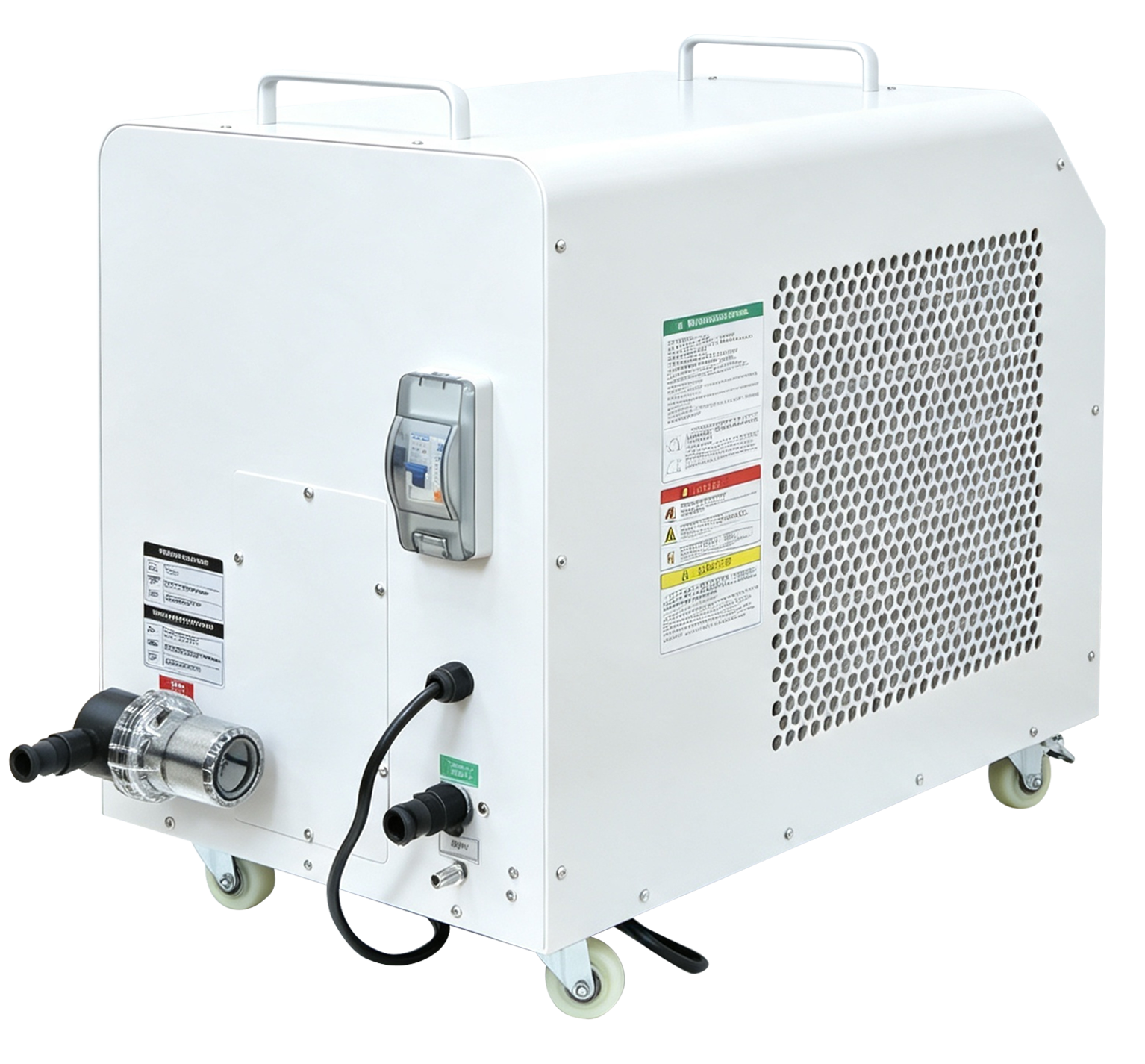
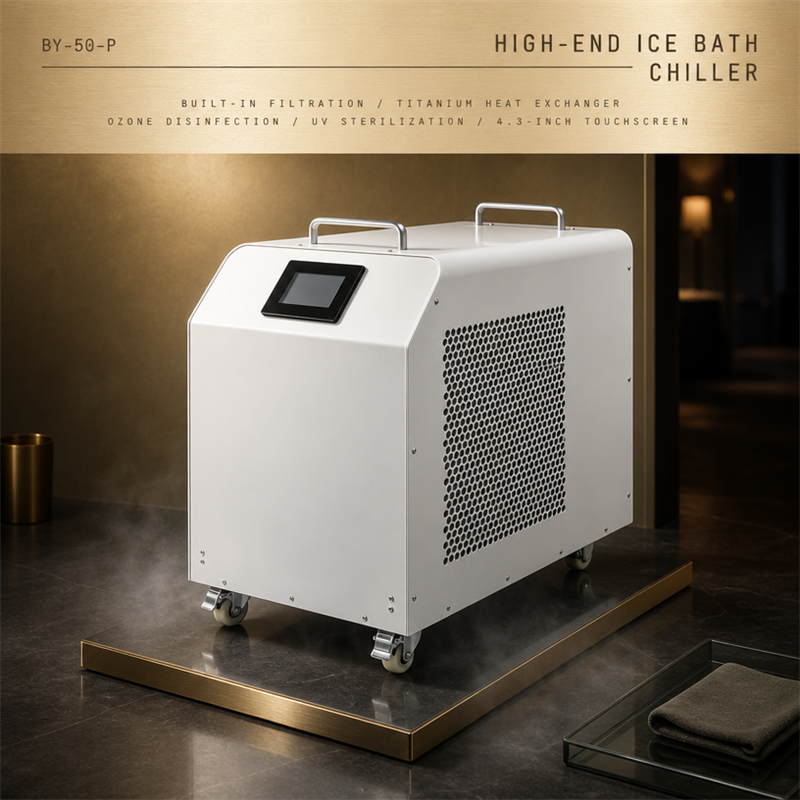
The cold plunge equipment itself must support your customer turnover targets. A commercial-grade chiller with UV and ozone sterilization technology like a cold plunge system ensures water quality remains consistent across multiple user sessions without excessive downtime for chemical treatment or manual cleaning. Undersized equipment creates bottlenecks—if your chiller cannot maintain proper temperature during peak turnover periods, customers experience suboptimal immersion, reducing perceived value and repeat bookings. A system sized for your facility capacity ensures every customer receives the therapeutic benefit they expect. Consider multiple smaller pools versus one large pool based on your customer turnover data; smaller pools often facilitate better individual experience and faster sequential sessions.
Operational Strategies for Maximizing Turnover
Scheduling and Staff Allocation
Strategic scheduling directly enables high customer turnover by ensuring sufficient staff during peak periods and reducing costs during slow times. Your operation needs staff members trained in customer orientation, facility monitoring, equipment maintenance, and safety protocols. During high-turnover periods, having dedicated personnel managing the changing areas, monitoring water temperature, and guiding customers through their immersion creates a smooth flow. Pre-booking systems help you predict customer turnover volumes and adjust staffing proactively. If your data shows afternoon customer turnover doubles on Tuesdays, schedule additional staff accordingly. This prevents service degradation while controlling labor costs on slower days.
Process Standardization and Protocols
Standardized procedures dramatically improve customer turnover by eliminating uncertainty and delays. Clear signage, pre-session briefings, and defined immersion protocols mean customers understand expectations and move through the facility efficiently. A standard sequence might include: check-in and liability waiver, changing room entry, ten-minute immersion session, shower and recovery area access, and checkout. Documenting this sequence allows staff to guide new customers smoothly and maintain consistent turnover times. Some operations use timers or alerts to signal when immersion time is complete, reducing staff burden and keeping sessions on schedule. Regular staff training ensures everyone follows these protocols consistently, preventing bottlenecks caused by inconsistent handling.
Balancing Turnover with Customer Experience
Quality Considerations in High-Turnover Environments
Maximizing customer turnover does not mean sacrificing the therapeutic experience. Customers choose cold plunge services because they value the health benefits and recovery response, so operations that prioritize speed over safety or comfort lose repeat business. Maintaining optimal water temperature, cleanliness, and staff attentiveness during high-turnover periods directly supports customer satisfaction and retention. A well-maintained facility with reliable operation and professional staff creates confidence in the service quality, encouraging customers to return even during crowded times. The goal is sustainable efficiency—designing your operation so that high customer turnover feels smooth and professional rather than rushed or impersonal.
Retention and Loyalty Through Turnover Optimization
Customers who experience smooth, predictable customer turnover cycles develop loyalty because the operation feels reliable and professional. When your facility consistently handles peak demand without long waits or service degradation, customers perceive high value. Implementing membership programs, loyalty rewards, or off-peak pricing incentives leverages your understanding of customer turnover patterns to boost revenue and reduce peak-hour congestion. Some operations reserve prime time slots for regular members while opening overflow capacity for walk-ins, creating a tiered approach that manages both customer turnover and customer acquisition.
FAQ
How many cold plunge pools do I need for optimal customer turnover?
The number of pools depends on your target customer turnover volume, average session duration, and peak-hour demand. A facility expecting thirty customers during peak hours with fifteen-minute average facility time typically needs two to three pools to maintain continuous flow. A pool that accommodates five to six customers simultaneously with fifteen-minute sessions could theoretically serve twenty to twenty-four customers per hour. Calculate your facility size based on forecasted peak turnover and add ten to twenty percent buffer capacity for unexpected demand spikes or maintenance needs.
What equipment features support high customer turnover?
Commercial-grade cold plunge systems with advanced filtration, UV sterilization, and ozone treatment reduce the downtime required between customer sessions. Traditional manual cleaning or chemical treatment can require fifteen to thirty minutes, severely limiting turnover capacity. Equipment with automated water quality monitoring, rapid temperature recovery, and consistent cleanliness ensures each customer receives optimal conditions without extended waits. Your cold plunge chiller should maintain set temperature regardless of how many sequential users access the pool during peak operation.
How does facility scheduling affect customer turnover performance?
Scheduling controls both capacity availability and staff resources during peak customer turnover periods. Pre-booking systems let you predict demand and adjust staffing accordingly, preventing understaffing during rushes or overstaffing during slow times. Staggered appointment slots prevent uncomfortable crowding while maintaining high facility utilization. Many successful operations reserve different time blocks for different customer segments—early morning for athletes, midday for corporate wellness programs, evening for general recovery—enabling predictable turnover patterns and consistent revenue even as customer volumes shift seasonally.
 EN