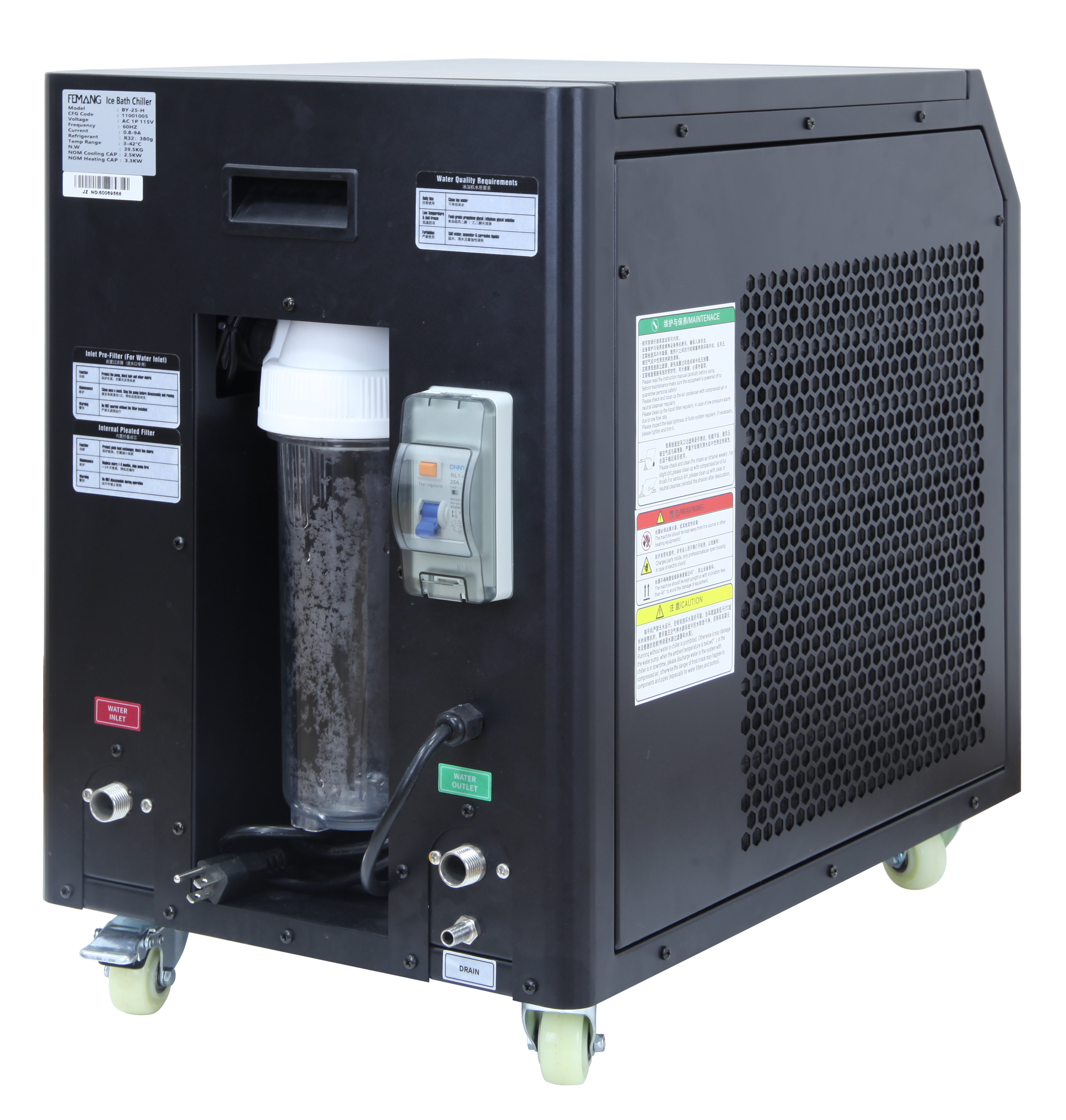
Deciding whether to invest in an ice bath facility requires careful planning and realistic evaluation of market demand. Many business owners rush into purchasing equipment without understanding whether their target audience actually needs or wants this service. An honest demand assessment protects your capital, ensures profitability, and positions your facility for long-term success. The commercial planning process begins with asking fundamental questions: Who are your potential customers? How frequently would they use an ice bath? What price point would they accept? These answers form the foundation of your investment decision.

Understanding demand assessment before committing resources distinguishes successful operators from those who face financial challenges. The wellness industry has expanded rapidly, yet not all recovery modalities suit every market segment or geographic location. This guide walks you through the essential steps to evaluate genuine ice bath demand, validate your business assumptions, and make an informed investment decision that aligns with real customer needs and market conditions.
Understanding Your Target Market
Identifying Potential Customer Segments
Your demand assessment begins by defining who would actually use an ice bath in your area. Athletes represent one obvious segment—runners, cyclists, and team sport participants often seek recovery tools. However, wellness enthusiasts, fitness centers, sports medicine clinics, and even corporate wellness programs increasingly integrate cold therapy into their offerings. Residential clients interested in home wellness solutions also represent a growing segment. Each segment has different usage patterns, pricing sensitivity, and willingness to commit to regular sessions. Understanding which segments exist within your geographic reach determines whether demand will sustain your investment.
Assessing Geographic and Demographic Factors
Location fundamentally shapes ice bath demand. Urban areas with high concentrations of fitness professionals, athletes, and health-conscious demographics typically support stronger demand. Regions with active sports communities, university athletic programs, or established wellness centers signal better market conditions. Climate also matters—cold environments may face cultural resistance to intentional cold exposure, while temperate regions might embrace it more readily. Research your specific neighborhood's age distribution, income levels, health spending habits, and existing wellness service density. These demographic and geographic factors directly influence whether demand will justify your capital investment.
Conducting Demand Assessment Research
Survey Methods and Customer Interviews
Direct customer feedback provides the most reliable demand assessment data. Create simple surveys asking potential users about their interest in ice bath services, preferred frequency, acceptable pricing, and location convenience. Interview local gym owners, physical therapists, personal trainers, and sports medicine professionals about client requests they receive. Ask whether customers have inquired about cold therapy options or expressed interest in recovery services. These conversations reveal whether demand exists as genuine customer need rather than your assumption. Aim to gather at least fifty to one hundred responses before making your investment decision. Real demand assessment relies on actual customer signals, not projections based on industry trends.
Competitive Landscape and Local Alternatives
Evaluate whether competitors already offer ice bath services in your market. Visit existing facilities, note their hours, pricing, utilization rates, and customer reviews. Empty facilities suggest weak demand, while fully booked slots indicate strong market appetite. Identify gaps—perhaps competitors lack convenient locations, limited operating hours, or poor customer experience. These gaps represent opportunities where your investment could capture underserved demand. However, absence of competitors might also signal insufficient demand rather than opportunity. Combine competitive analysis with your survey data to form a balanced demand assessment that accounts for both market saturation and genuine opportunity.
Financial Validation and Investment Planning
Revenue Projections and Demand Scenarios
Translate your demand assessment findings into realistic financial projections. If surveys indicate that twenty percent of respondents would use ice bath services weekly at your proposed price point, calculate revenue based on conservative estimates of market penetration. Build three scenarios—pessimistic, realistic, and optimistic—showing how different demand levels impact profitability. Include all costs: equipment acquisition, maintenance, utilities, staffing, facility overhead, and marketing. Your commercial planning must demonstrate that even pessimistic demand scenarios generate acceptable returns. Many investment failures occur when operators project best-case demand but experience realistic or pessimistic outcomes. Conservative demand assessment prevents this common pitfall.
Break-Even Analysis and Investment Timeline
Determine how many sessions or customers you need monthly to cover fixed costs and begin generating profit. Calculate your break-even point based on your equipment investment, ongoing expenses, and expected revenue per session. Honest demand assessment should convince you that reaching break-even within a reasonable timeframe is achievable. If your analysis shows that break-even requires two years or longer, reconsider your investment assumptions or business model. Facilities with clear paths to profitability within twelve to eighteen months provide better risk profiles. Use your demand assessment data to validate that local market demand will support the session volume needed for profitability, making your commercial planning financially sustainable.
Implementation Considerations
Phased Approach and Pilot Testing
Smart commercial planning includes a phased investment approach rather than full commitment based on theoretical demand assessment. Start with a pilot program—perhaps partnering with a gym, sports clinic, or corporate wellness program to offer limited ice bath services before purchasing permanent equipment. This pilot tests actual demand with minimal investment, reveals customer preferences, and builds operational experience. Monitor utilization rates, customer satisfaction, pricing sensitivity, and retention during the pilot phase. Real demand becomes visible through pilot performance metrics. If the pilot generates strong utilization and positive feedback, proceed confidently to full investment. If demand proves weaker than expected, you preserve capital and learn valuable lessons before committing significant resources.
Marketing and Demand Generation Strategy
Your demand assessment should inform your marketing strategy, not assume demand will appear naturally. Even in strong markets, customers need to know ice bath services exist and understand their benefits. Develop partnerships with fitness centers, physical therapy clinics, athletic teams, and corporate wellness programs to reach your target audience effectively. Create educational content addressing common questions about cold therapy safety and benefits. Implement referral programs to leverage satisfied customers for demand generation. Your commercial planning must allocate resources for marketing and customer acquisition because demand assessment identifies potential, but effective promotion transforms potential into actual utilization. Without intentional demand generation, market opportunity remains unrealized.
FAQ
What demand signals indicate a strong ice bath market opportunity?
Strong demand signals include survey responses showing consistent interest from potential customers, inquiries from local gyms and wellness providers requesting ice bath services, visible social media engagement with cold therapy content, and demonstrated willingness to pay your proposed price point. Geographic proximity to athletic communities, universities, or established wellness centers also signals favorable conditions. When multiple data points converge—survey interest, competitor gaps, demographic alignment, and customer inquiries—your demand assessment becomes more reliable and investment risk decreases substantially.
How can I test demand without making a full equipment investment?
Partner with an existing facility to offer ice bath services before purchasing permanent equipment. Negotiate access to their space during off-peak hours or contract for dedicated time slots. Start with portable equipment or outsource cold therapy initially to evaluate real utilization and customer demand. This pilot approach tests your business model, refines operations, and validates demand assessment assumptions while minimizing capital exposure. Many successful facilities began with pilot programs that proved demand before committing to full investment in permanent infrastructure.
What happens if my demand assessment reveals insufficient market interest?
If your demand assessment shows weak market interest, reconsider your investment approach rather than proceeding with hope. You might target a different customer segment, relocate to a better geography, adjust your pricing strategy, or combine ice baths with complementary services like saunas, massage, or nutrition coaching. Alternatively, scale back your equipment investment to a smaller pilot program that requires less capital. Honest assessment that reveals insufficient demand protects your resources and prevents financial losses. Sometimes the best investment decision is not to invest until market conditions improve or your strategy evolves.
 EN