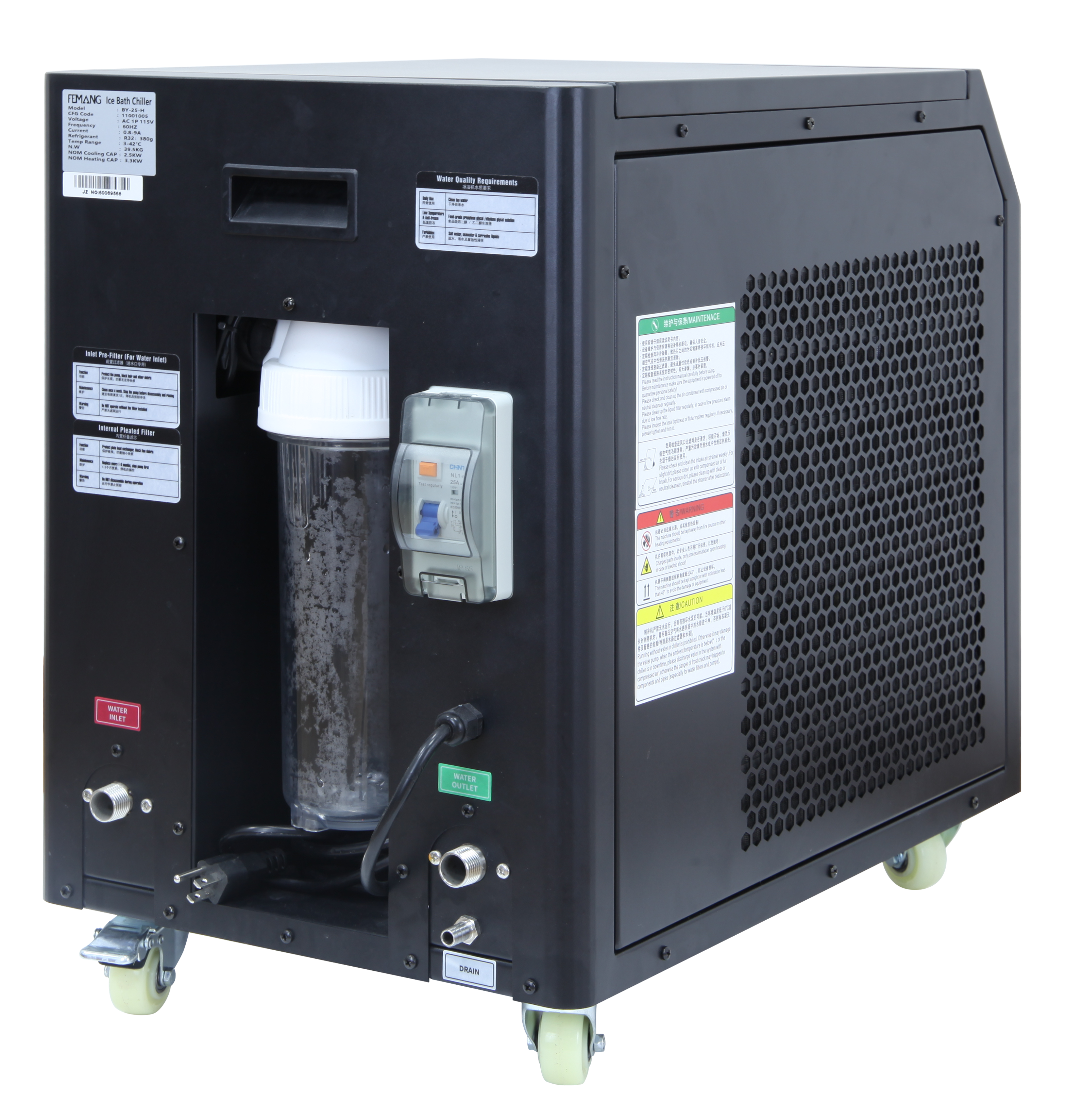
An ice bath chiller is a specialized cooling system designed to maintain precise water temperatures for therapeutic recovery, athletic conditioning, and wellness applications. For facilities or individuals relying on consistent cold water therapy, understanding how to assess the reliability of an ice bath chiller becomes essential. Equipment that fails unexpectedly disrupts schedules, compromises recovery protocols, and creates costly downtime. This guide provides the framework for evaluating whether an ice bath chiller meets the demands of reliable daily operation in your specific environment.

Assessing an ice bath chiller involves more than checking temperature specs on a datasheet. True reliability emerges from understanding how the system performs under sustained use, environmental stressors, and maintenance cycles. Quality construction, component durability, thermal stability, and manufacturer support form the foundation of dependable daily operation. By evaluating these dimensions systematically, you can select or validate an ice bath chiller that will perform consistently when it matters most.
Core Components and Structural Durability
Material Quality and Build Construction
The structural integrity of an ice bath chiller directly impacts its reliability during daily operation. The tank material—whether stainless steel, reinforced polymer, or composite construction—determines resistance to corrosion, chemical exposure, and thermal cycling stress. Stainless steel components typically offer superior longevity in wet environments, resisting salt spray, chlorine, and mineral buildup that degrade lesser materials. Quality ice bath chiller systems use welded seams and pressure-tested joints rather than glued connections, which fail under thermal expansion. Inspect the compressor housing, refrigerant lines, and pump mounting for precision engineering and protective coatings that prevent rust and electrical degradation.
Compressor and Cooling Mechanism Integrity
The compressor is the heart of any ice bath chiller system, and its reliability determines the entire unit's performance stability. Scroll compressors and rotary compressors offer different durability profiles—scroll designs typically run quieter with fewer moving parts, while rotary compressors provide robust performance across variable load conditions. A reliable ice bath chiller must maintain consistent cooling output whether the ambient temperature is 50°F or 90°F, and whether it operates for one hour daily or eight hours. Check for hermetically sealed compressors with thermal overload protection and oil management systems that prevent burnout. The refrigerant type matters too; systems using more stable, less reactive refrigerants avoid degradation issues that compromise daily operation efficiency and safety.
Temperature Control and Thermal Stability
Precision Thermostat and Sensor Accuracy
An ice bath chiller's ability to maintain target temperatures directly correlates with reliability. Digital thermostats with ±0.5°C accuracy ensure consistent cold water delivery, while older analog controls drift and create temperature swings that stress the compressor and reduce session effectiveness. Quality ice bath chiller systems feature redundant temperature sensors—primary and backup—so that sensor failure doesn't cause the system to lose control. The control board should include microprocessor logic that learns the facility's demand patterns and adjusts cooling cycles efficiently. Look for systems with programmable temperature setpoints and manual override capability, allowing operators to adapt to seasonal changes or varying therapeutic protocols without constant adjustment.
Cooling Output Stability Under Load
Daily operation reliability requires an ice bath chiller to maintain cooling power even when multiple users enter the tank sequentially or when external heat sources affect the water. A system sized appropriately for your usage volume will recover to target temperature within 15–20 minutes of a fresh user entry, while undersized chillers struggle and overheat their compressor. Evaluate the system's duty cycle rating—how many hours per day it can run continuously without thermal stress. Premium ice bath chiller designs incorporate larger heat exchangers and optimized refrigerant flow to dissipate heat more efficiently, reducing compressor run time and extending equipment lifespan. Passive heat loss through proper tank insulation also matters; poor insulation forces the chiller to work harder and cycle more frequently, increasing failure risk.
Maintenance Requirements and Support Infrastructure
Filter, Pump, and Water Circuit Durability
An ice bath chiller's reliability in daily operation depends heavily on how well its water circuit resists fouling and degradation. Systems with easily accessible filters, clear maintenance indicators, and user-serviceable pump connections reduce the likelihood of neglect-induced failures. Quality ice bath chiller units feature multi-stage filtration—sediment filters, carbon filters, and UV sterilization options—that keep cooling surfaces clean and water hygienic. The circulation pump should be magnetic-drive or sealed to prevent leaks and corrosion inside the motor housing. Stainless steel piping and barbed fittings rated for repeated disconnection preserve seal integrity across maintenance cycles. Check whether the manufacturer provides a detailed maintenance schedule and whether replacement parts are readily available and affordable for long-term reliability.
Manufacturer Support and Warranty Coverage
True reliability in daily operation extends beyond the ice bath chiller itself to the quality of manufacturer support. Equipment backed by a 2–5 year compressor warranty and 1–3 year full-unit coverage indicates manufacturer confidence and protects against early failure. Responsive technical support—whether email, phone, or chat—allows quick troubleshooting if issues arise, minimizing downtime. Reputable manufacturers provide comprehensive user manuals, video installation guides, and remote diagnostics to help facilities maintain their ice bath chiller independently. Look for companies that stock spare parts locally or offer rapid shipping, since a failed pump seal or pressure switch shouldn't leave your equipment out of service for weeks. Warranty terms that cover both manufacturing defects and component wear-out failure provide stronger reliability assurance than limited coverage.
Operational Performance Indicators and Testing
Temperature Consistency and Response Metrics
Before committing to an ice bath chiller, test its actual performance under conditions matching your intended daily operation. Measure how quickly the unit reaches target temperature from a cold start, how well it maintains that temperature during back-to-back sessions, and whether it experiences temperature overshoot or oscillation. A reliable system stabilizes within ±1°C of setpoint and recovers fully between users within predictable timeframes. Run the ice bath chiller for a full 24-hour cycle under typical usage load and monitor compressor run time, electricity consumption, and noise levels. Systems that run excessively hot, cycle erratically, or produce unusual noises during daily operation may indicate compressor stress, refrigerant issues, or control board problems—all red flags for future reliability concerns.
Real-World Stress Testing and User Feedback
Operational reliability emerges from how equipment handles edge cases and stress. Request demonstration data showing how the ice bath chiller performs during peak usage hours, extreme seasonal temperatures, and extended back-to-back sessions. Speak with existing users who operate similar systems daily—their insights reveal whether the equipment meets real-world expectations and which specific components prove durable or problematic. Ask about failure rates, average time-to-repair, and customer satisfaction with manufacturer response during incidents. Facilities operating ice bath chiller systems for 2–5 years can provide honest feedback about long-term reliability trends, maintenance burden, and whether the equipment justifies its investment. This qualitative validation complements specification sheets and provides genuine confidence in daily operation dependability.
FAQ
What are the most common failure modes in ice bath chiller systems?
The most frequent failures in ice bath chiller daily operation include compressor burnout from inadequate cooling load management, refrigerant leaks from corroded fittings, and control board failures from water infiltration or electrical surges. Pump seals deteriorate when maintenance is neglected or mineral buildup clogs the water circuit. Selecting an ice bath chiller with sealed components, redundant protections, and clear maintenance guidelines significantly reduces these risks and extends equipment lifespan.
How often should an ice bath chiller require maintenance for reliable daily operation?
Most quality ice bath chiller systems require monthly water filter changes, quarterly UV sterilization lamp replacement or cleaning, and annual compressor and refrigerant circuit inspections. Daily operation checks—verifying temperature accuracy, listening for unusual compressor noise, and confirming water circulation—take only minutes. Manufacturer-recommended maintenance intervals vary by model and usage intensity, so review the specific documentation for your ice bath chiller to maintain optimal reliability and warranty compliance.
Can an ice bath chiller sized for light use remain reliable under heavy daily operation?
An undersized ice bath chiller will struggle to maintain reliable daily operation under heavy use, as the compressor runs continuously without adequate rest cycles and overheats prematurely. Compressor lifespan may drop from 10+ years to 3–5 years when the system is chronically overloaded. Ensure your ice bath chiller is rated for your actual usage frequency and user volume—manufacturers provide duty cycle ratings and recovery time specifications that guide proper sizing decisions for sustained reliability.
 EN