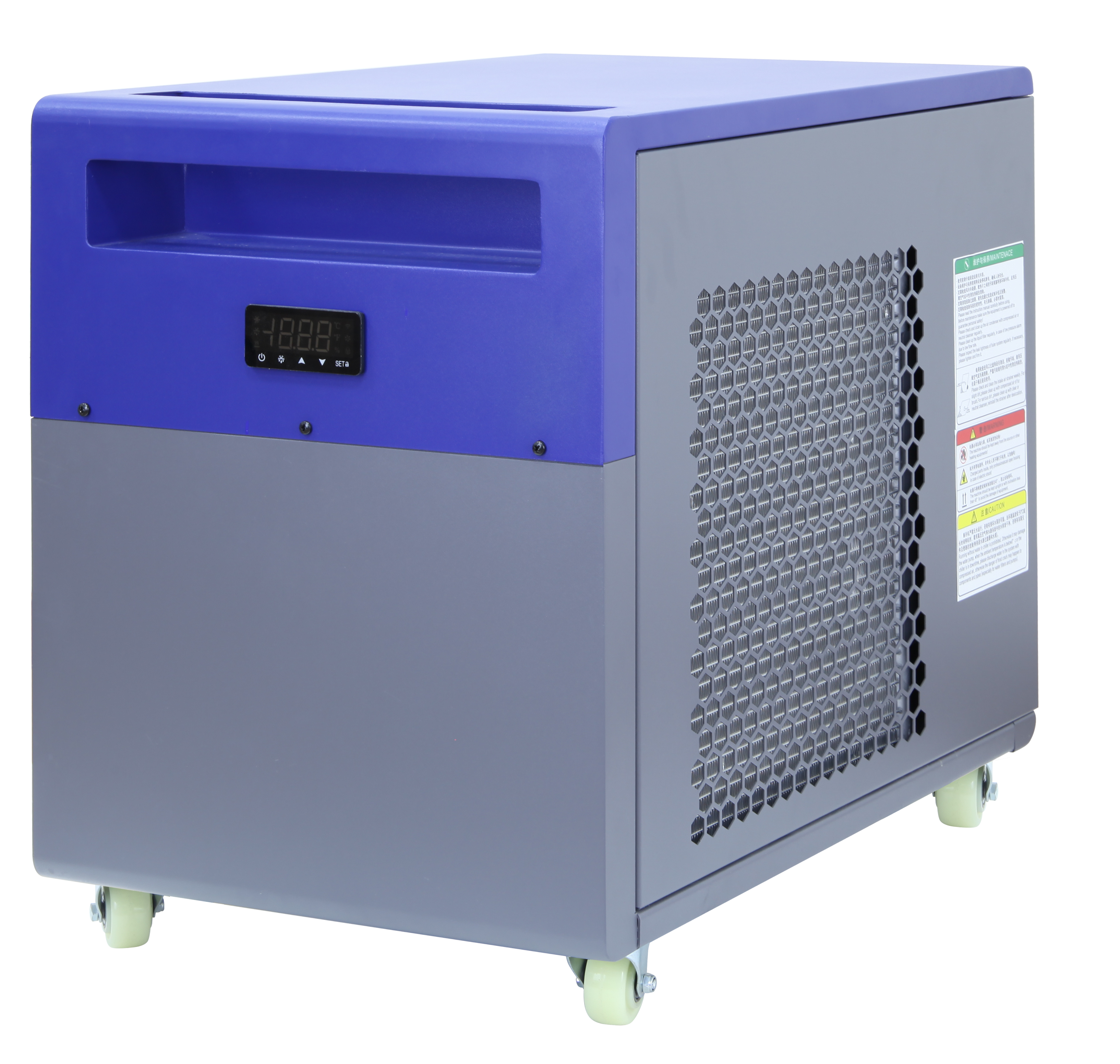
An ice bath chiller is a sophisticated piece of equipment designed to maintain precise cold temperatures for wellness, recovery, and therapeutic applications. Understanding how this cooling system operates helps buyers make informed decisions about installation, maintenance, and long-term performance. Whether you're setting up a luxury wellness facility or a professional recovery center, knowing the mechanical principles behind your equipment ensures optimal results and extends equipment lifespan.
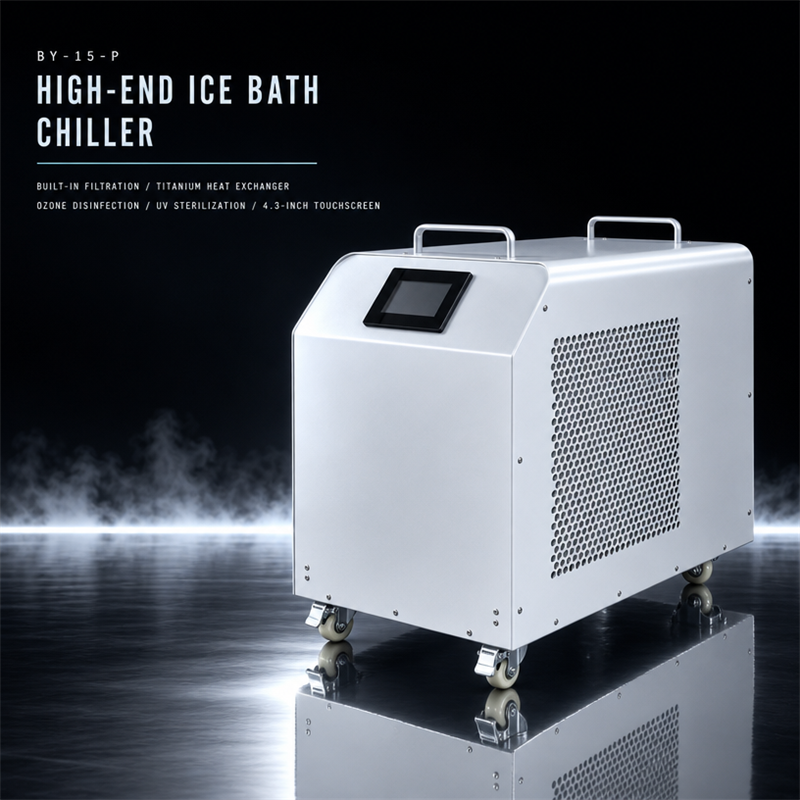
The operation of an ice bath chiller relies on a carefully engineered cooling system that combines thermodynamic principles with practical engineering. Cold water circulates through insulated lines and a main bath chamber, maintaining temperatures typically between 50 and 60 degrees Fahrenheit. This consistent temperature control is achieved through an integrated refrigeration cycle, continuous water circulation, and intelligent temperature sensors that monitor and adjust cooling output automatically.
Core Refrigeration Cycle and Heat Removal
Compressor and Refrigerant Flow
The heart of any ice bath chiller cooling system is its compressor, which pressurizes refrigerant gas and forces it through the entire cooling cycle. The compressor draws in low-pressure refrigerant vapor and compresses it into high-pressure gas, which then travels to the condenser. This process generates the energy needed to move heat away from the water bath. The operation depends on this continuous cycle to extract thermal energy from the water and expel it outside the system.
Evaporator and Heat Exchange
Inside the ice bath chiller, an evaporator coil sits immersed in or adjacent to the water bath. As pressurized refrigerant passes through this coil, it expands and evaporates, absorbing heat energy from the surrounding water. This heat absorption is the fundamental mechanism that cools the bath. The water circulation system carries this cooled water throughout the chiller chamber, ensuring even temperature distribution. The refrigerant then returns to the compressor in a low-pressure state, and the cycle repeats continuously to maintain the desired temperature.
Water Circulation and Temperature Distribution
Pump-Driven Water Flow
Water circulation is essential for uniform cooling throughout an ice bath chiller. A dedicated circulation pump moves water from the bath through cooling coils and back into the main chamber in a closed-loop system. This water circulation ensures that cold water reaches all areas of the bath evenly, preventing temperature stratification where some zones remain warmer than others. The pump's flow rate is calibrated to allow sufficient contact time between water and the cooling system while maintaining adequate circulation speed.
Temperature Sensors and Control Logic
Modern ice bath chiller designs incorporate multiple temperature sensors that monitor water temperature in real time. These sensors feed data to a microprocessor-based controller that makes automatic adjustments to compressor operation. When water temperature rises above the set point, the controller increases cooling output; when it drops below the target, the system reduces compressor activity or switches into idle mode. This automated operation prevents temperature swings and maintains the precision cooling that wellness and recovery applications require.
System Design Features and Performance Optimization
Insulation and Thermal Efficiency
The structural design of an ice bath chiller includes heavy insulation around the water bath and main chamber to minimize heat loss and reduce the cooling system's workload. High-density foam insulation and sealed construction prevent ambient air from warming the chilled water. Better insulation means the compressor and refrigeration cycle don't have to work as hard, improving energy efficiency and reducing operational costs. The operation becomes more economical when the system loses less heat to the surrounding environment.
Advanced Cooling System Components
Quality ice bath chiller models include expansion devices, check valves, and drying filters that optimize refrigerant flow and protect internal components. An expansion valve precisely regulates refrigerant pressure entering the evaporator, ensuring maximum cooling efficiency. Drying filters remove moisture and contaminants from the refrigerant, preventing corrosion and maintaining long-term operation reliability. Water circulation may also include UV sterilization or ozone treatment options to keep the water clean and safe for regular use in wellness facilities.
FAQ
What temperature can an ice bath chiller maintain?
Most ice bath chiller models maintain water temperatures between 50 and 65 degrees Fahrenheit, with precise control within 1-2 degrees of the set point. Premium cooling systems can achieve even tighter temperature stability, critical for consistent recovery and therapy outcomes. The operation's accuracy depends on sensor quality, controller sophistication, and proper insulation of the bath chamber.
How often does the ice bath chiller cooling system cycle on and off?
The operation of the cooling system varies based on ambient temperature, water circulation speed, and bath usage patterns. In typical conditions, the compressor cycles on for 15-30 minutes, then rests for similar periods. More frequent cycling occurs in warm environments or after heavy user load, while cooler conditions require less frequent operation to maintain the target temperature.
Can an ice bath chiller's water circulation system be serviced independently?
Yes, water circulation components like pumps and filters can often be serviced or replaced without major system disassembly. Regular maintenance of the circulation system extends the cooling system lifespan and ensures consistent operation. Professional technicians should handle refrigerant-related repairs, while basic water filtration and pump maintenance can be performed by trained facility staff following manufacturer guidelines.
 EN