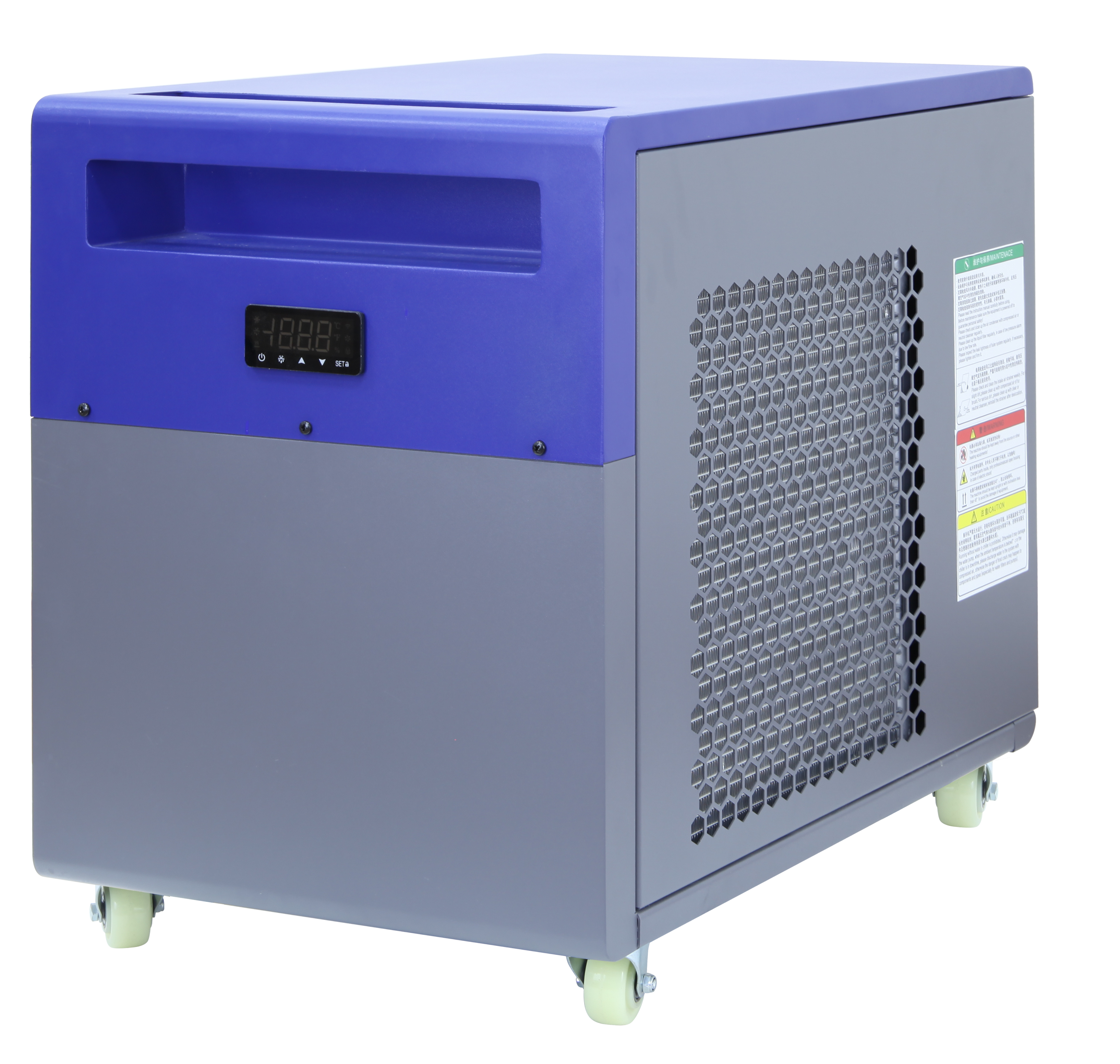
A cold therapy machine represents a cornerstone technology in modern commercial recovery services, enabling facilities to deliver therapeutic benefits that accelerate client healing and enhance overall wellness outcomes. Whether integrated into sports recovery centers, wellness spas, resort facilities, or rehabilitation clinics, this equipment provides consistent, controlled cold exposure that supports muscle recovery, reduces inflammation, and promotes physiological adaptation. Understanding how a cold therapy machine operates within a commercial recovery service framework allows facility managers and wellness professionals to maximize therapeutic value while optimizing operational efficiency.
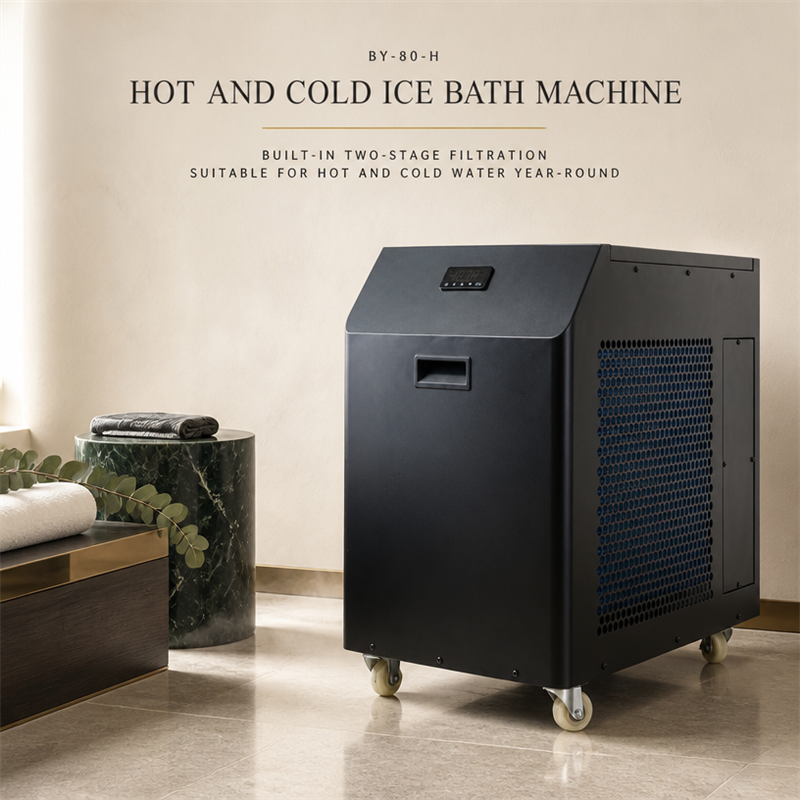
The integration of a cold therapy machine into your recovery service transforms operational capacity and client satisfaction simultaneously. Commercial wellness facilities require reliable, scalable solutions that maintain consistent temperatures, support high-volume client throughput, and integrate seamlessly into existing protocols. Cold immersion therapy has evolved from niche athletic training into mainstream recovery service offerings across diverse industries, making equipment reliability and operational sophistication critical differentiators in competitive markets.
Core Therapeutic Mechanisms and Recovery Benefits
How Cold Therapy Machine Technology Supports Physical Recovery
A cold therapy machine operates by circulating temperature-controlled water that induces vasoconstriction, which reduces blood flow to affected tissues and decreases metabolic activity. This physiological response minimizes inflammatory cascades, mitigates pain signaling, and accelerates clearance of metabolic waste products accumulated during intense physical exertion. For commercial recovery service providers, this mechanism translates directly into measurable client outcomes: faster perceived recovery, reduced muscle soreness, and enhanced readiness for subsequent training sessions or daily activities.
The precision temperature control embedded within modern cold therapy machine systems ensures reproducible therapeutic effects across every client session. Whether calibrated for acute injury management or routine post-exercise recovery protocols, the equipment delivers consistent cold exposure intensity that individual ice baths or passive methods cannot match. This reliability becomes essential for recovery service operations managing diverse client needs, from elite athletes to corporate wellness participants seeking efficient recovery solutions.
Operational Advantages in Commercial Wellness Environments
Commercial wellness facilities leveraging a cold therapy machine gain substantial operational advantages that directly impact profitability and client retention. The equipment's capacity to serve multiple users sequentially or simultaneously eliminates scheduling bottlenecks common in facilities relying on traditional cold therapy methods. Additionally, a commercial-grade cold therapy machine reduces labor intensity by automating temperature management, cleaning cycles, and safety monitoring—allowing staff to focus on client experience and recovery service customization rather than manual temperature adjustments or maintenance tasks.
The operation of advanced cold therapy machine systems incorporates digital interfaces that enable precise session logging, client preference tracking, and protocol adherence documentation. These features support quality assurance within recovery service frameworks, allowing facility managers to demonstrate consistency, measure outcomes, and refine protocols based on aggregate client data. For commercial wellness providers competing on service quality and client satisfaction, this operational transparency strengthens competitive positioning and supports evidence-based marketing.
Integration into Diversified Recovery Service Models
Customizing Cold Therapy Machine Deployment Across Industries
The versatility of a cold therapy machine extends across multiple commercial recovery service models, each with distinct operational requirements and client demographics. Sports recovery centers integrate equipment to support athlete training cycles, leveraging cold immersion to enhance adaptation and reduce overtraining indicators. Spa and resort facilities position cold therapy machine access as premium wellness amenities that differentiate service offerings and justify premium pricing. Corporate wellness programs deploy the technology to support employee recovery and injury prevention, reducing absenteeism and enhancing occupational health outcomes.
Rehabilitation clinics and physical therapy practices use a cold therapy machine as a clinical tool within broader recovery service protocols, combining cold immersion with manual therapy, exercise prescription, and functional assessment. The operation of equipment within these clinical contexts demands compatibility with liability management, medical supervision protocols, and insurance documentation standards. Commercial recovery service providers selecting equipment must evaluate how a cold therapy machine integrates with existing clinical workflows, compliance frameworks, and professional standards unique to their service vertical.
Scaling Recovery Service Capacity Through Equipment Strategy
Commercial wellness facilities seeking growth require scalable solutions that expand capacity without proportional increases in facility footprint or staffing complexity. A commercial-grade cold therapy machine supports this scalability by maximizing throughput per session while maintaining consistent therapeutic quality. Multi-tub configurations and modular equipment designs enable facilities to expand recovery service offerings as client demand grows, distributing capital expenditure across growth phases rather than requiring massive upfront infrastructure investment.
The operation of multiple cold therapy machine units within a single facility creates additional competitive advantages through service differentiation and specialized recovery service protocols. Facilities can offer tiered cold immersion experiences, temperature-progression protocols, and combined modality sessions that position the recovery service as premium and science-informed. This capability attracts higher-value client segments willing to pay premium fees for structured, personalized recovery optimization, directly enhancing revenue per client and overall facility profitability.
Implementation Excellence and Ongoing Optimization
Selecting and Commissioning Cold Therapy Machine Systems
Successful integration of a cold therapy machine into commercial recovery service operations begins with rigorous equipment evaluation aligned with specific facility goals, client demographics, and operational constraints. Decision criteria include temperature range and precision, user capacity, energy efficiency, maintenance requirements, safety certifications, and software integration capabilities with existing management systems. A comprehensive recovery service evaluation ensures the selected cold therapy machine configuration supports current operational needs while enabling future expansion and protocol evolution.
The operation and maintenance training for facility staff represents a critical implementation phase often underestimated by facility managers. Comprehensive staff training ensures consistent protocol adherence, maximizes equipment lifespan, minimizes service disruptions, and reduces client safety risks. Recovery service providers should establish standardized procedures for session setup, temperature monitoring, user safety screening, and emergency protocols. This operational discipline converts equipment investment into sustainable competitive advantage through reliable, high-quality service delivery that builds client trust and encourages retention.
Measuring Outcomes and Refining Recovery Service Protocols
Commercial recovery service providers leveraging a cold therapy machine should implement systematic outcome tracking that demonstrates clinical and operational value. Client satisfaction surveys, session-to-session performance metrics, recovery speed indicators, and injury incidence data provide evidence supporting the recovery service value proposition to both new clients and referral sources. The operation of equipment with integrated data capture facilitates this measurement, enabling providers to identify protocol variations that optimize individual client outcomes and refine standard operating procedures accordingly.
Continuous protocol optimization transforms a cold therapy machine from static equipment into a dynamic competitive asset driving ongoing service excellence. Regular review of client feedback, outcome data, and industry research informs adjustments to temperature ranges, session durations, frequency recommendations, and integration with complementary recovery modalities. This commitment to evidence-based continuous improvement strengthens the recovery service reputation, supports client retention, and attracts outcome-focused clientele seeking scientifically validated recovery solutions that deliver measurable results.
FAQ
What specific recovery benefits does a cold therapy machine provide for commercial clients?
A cold therapy machine delivers multiple recovery benefits including reduced muscle soreness, decreased inflammation, enhanced circulation recovery, improved readiness for subsequent activity, and accelerated clearance of metabolic byproducts. Commercial clients experience these benefits consistently through precise temperature control and standardized protocols, making the recovery service predictable and measurable. Athletes, corporate wellness participants, and rehabilitation clients all benefit from the physiological mechanisms activated by cold immersion, though the specific application within recovery service models varies by client goal and facility setting.
How does cold therapy machine operation compare to traditional ice bath methods in commercial recovery service settings?
Commercial-grade cold therapy machine systems offer superior consistency, temperature precision, and operational efficiency compared to manual ice bath methods. A cold therapy machine eliminates manual ice replenishment, enables digital session logging, provides automated safety monitoring, and delivers reproducible therapeutic intensity across every client session. For recovery service providers managing high-volume client throughput, the operation advantages translate into reduced labor costs, improved service quality, enhanced client satisfaction, and measurable competitive differentiation in demanding commercial wellness markets.
What operational considerations should facility managers evaluate when implementing a cold therapy machine into an existing recovery service?
Facility managers should evaluate equipment capacity relative to projected client volume, energy consumption and utility infrastructure requirements, space allocation and facility integration, staff training and ongoing support needs, compatibility with existing management systems and compliance frameworks, maintenance schedules and service availability, and warranty coverage for commercial recovery service applications. Additionally, assessing how the cold therapy machine operation aligns with insurance requirements, liability protocols, and client safety screening procedures ensures seamless integration that strengthens rather than complicates existing recovery service operations and risk management systems.
 EN